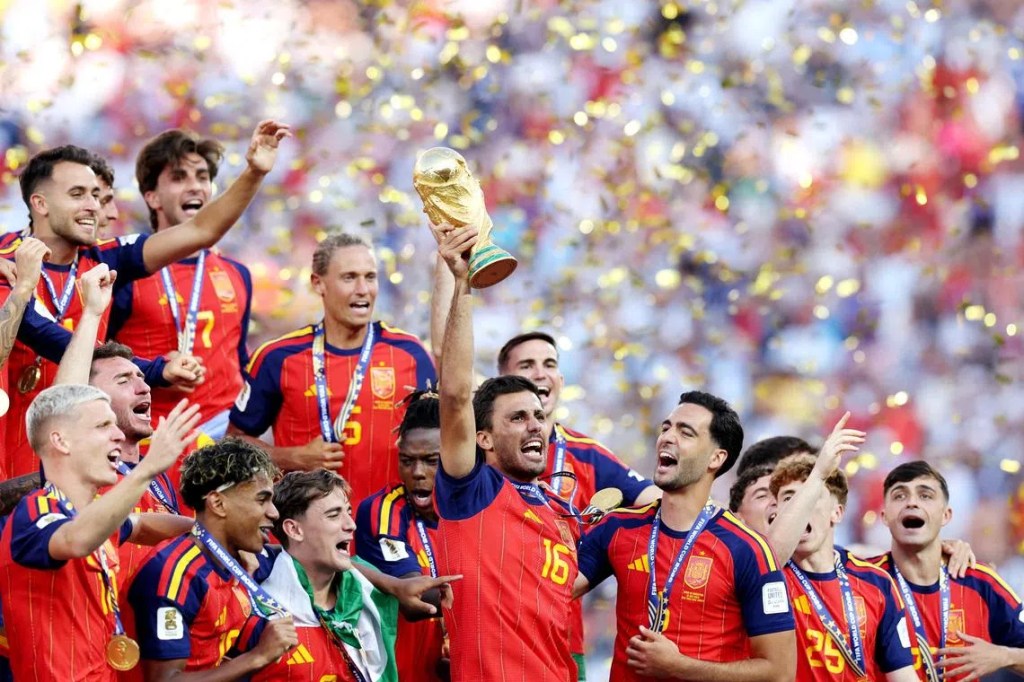
There is a clean, unmistakable beauty to a World Cup victory earned through discipline, patience, and sheer craft. When Spain lifted the trophy after a grueling extra-time battle, the scoreboard told only half the story.
The other half was told through contrast.
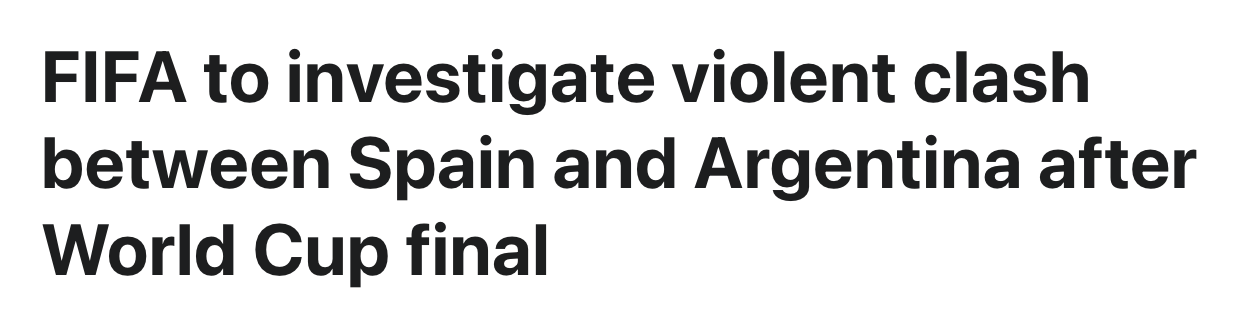
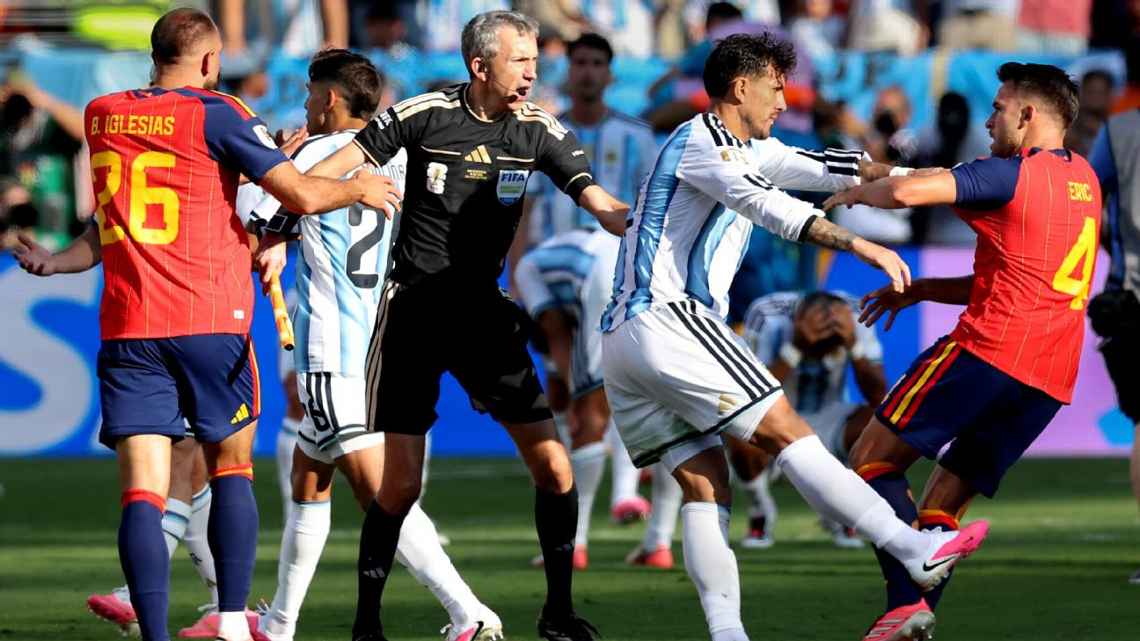
On one side of the pitch, a team played modern, composed football. On the other, a team played something that felt closer to professional wrestling. Beyond the tactical duel, this World Cup Final doubled as a live case study in something much bigger: global nation branding, athletic legacy, and the moral examples we set for the next generation of kids.

Sports as the Ultimate Global Branding Campaign
The World Cup stopped being “just a tournament” a long time ago. It is a multi-billion-dollar branding machine running once every four years where, for ninety-plus minutes, a team becomes the walking, sprinting, and occasionally-diving ambassador for its country’s culture, identity, and values.
Individual players understand this better than most corporate marketing departments. A single World Cup run can rewrite a career’s commercial trajectory overnight. Performance on this stage can suddenly transform an athlete into the face of global sportswear campaigns across three continents.
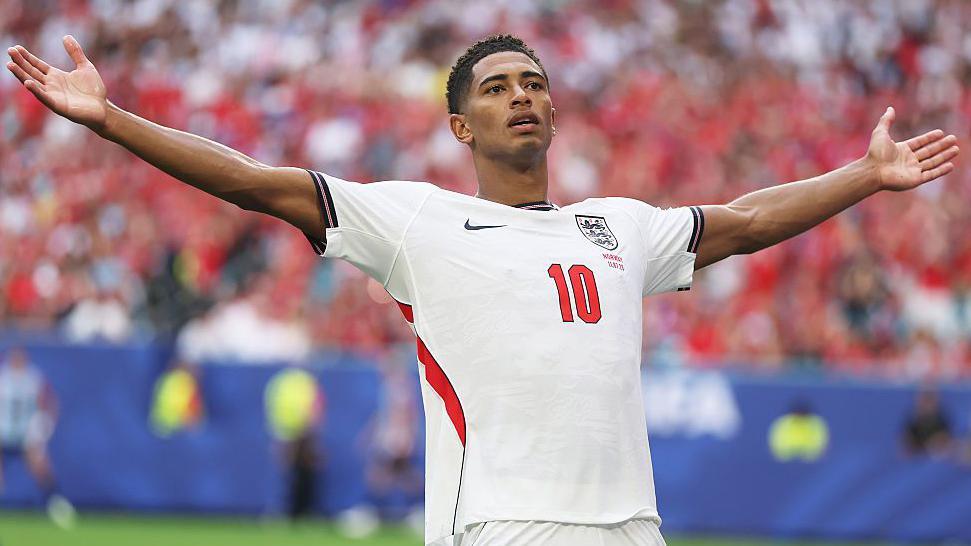
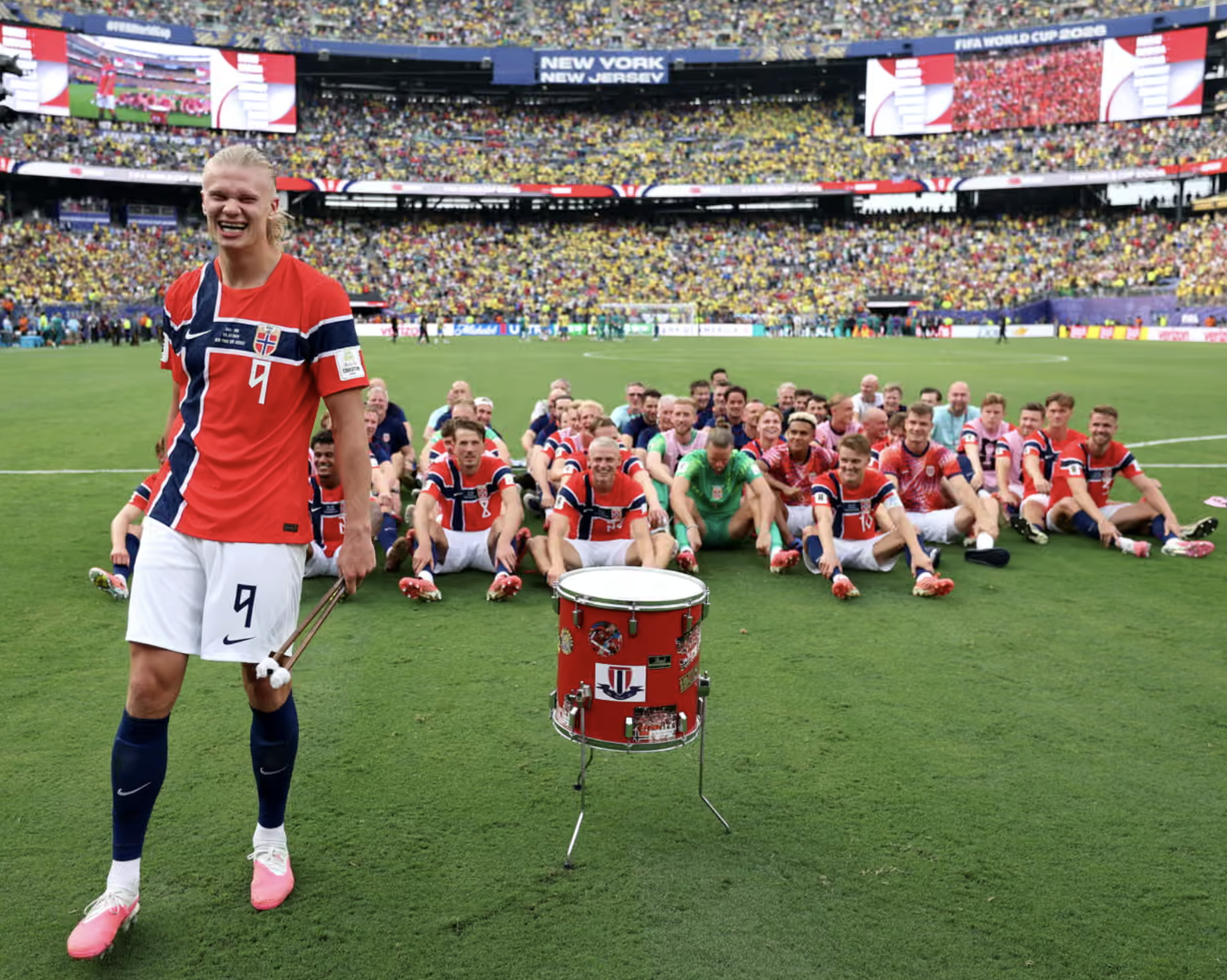
Players like Erling Haaland and Jude Bellingham didn’t need a World Cup to prove their world-class talent, but the global stage cements athletes as household names, the kind that sell shirts in cities they’ve never even visited. The underlying lesson is clear: the World Cup remains the most potent accelerant of personal branding in global sport.
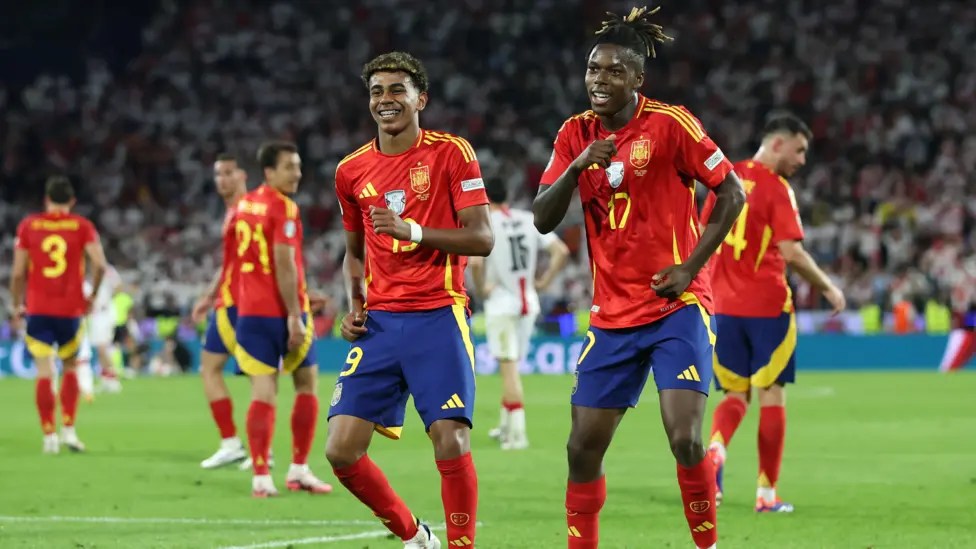
Nations undergo the exact same process. A country’s football team is often its most visible cultural export. When Spain plays, their brand projects structure, elegance, mutual trust, and deep respect for the game.
Argentina, unfortunately, projected a very different brand.
Which is precisely why nation branding cuts both ways. A great World Cup can elevate a country’s sporting reputation in a single month or, as it turns out, take a small wrecking ball to it.
The Fall of the Argentina Narrative: From Beloved to Repelled
Looking back, the previous World Cup in Qatar told a very different story. The global audience was united behind a single narrative: Lionel Messi deserves his fairytale ending. The romantic arc of Messi’s career was too compelling to resist, and neutral fans around the world universally rooted for Argentina.
Fast-forward to 2026, and that global sentiment has completely flipped.
The goodwill has evaporated. What was once viewed as grit and passion curdled into physical aggression, theatrical protest, relentless ref-badgering, and tactics that resembled a high-stakes brawl rather than elite sport. The public narrative shifted decisively from “We want Argentina to win” to “We want Argentina out.”


When a team’s tactical strategy relies heavily on cynical fouls, constant niggle, and intimidating match officials, it severely damages the brand, not just of the players involved, but of the entire national football identity. Even a career as legendary as Messi’s can only absorb so much of that collective behavior before the luster wears off.
Spain’s Approach: Setting the Example for Tomorrow
What made Spain’s victory so satisfying was not just that they won, but how they refused to be dragged into their opponent’s chaotic orbit.
Faced with a physical, hostile opponent hoping to provoke a reaction, Spain simply didn’t bite. They stayed structured, kept their composure, and let the officials manage the pitch. Spain executed their own plan patiently, repeatedly, until substitute Ferran Torres buried the winner in extra time. It is a less cinematic strategy than screaming at a referee, but it turns out to work remarkably well.
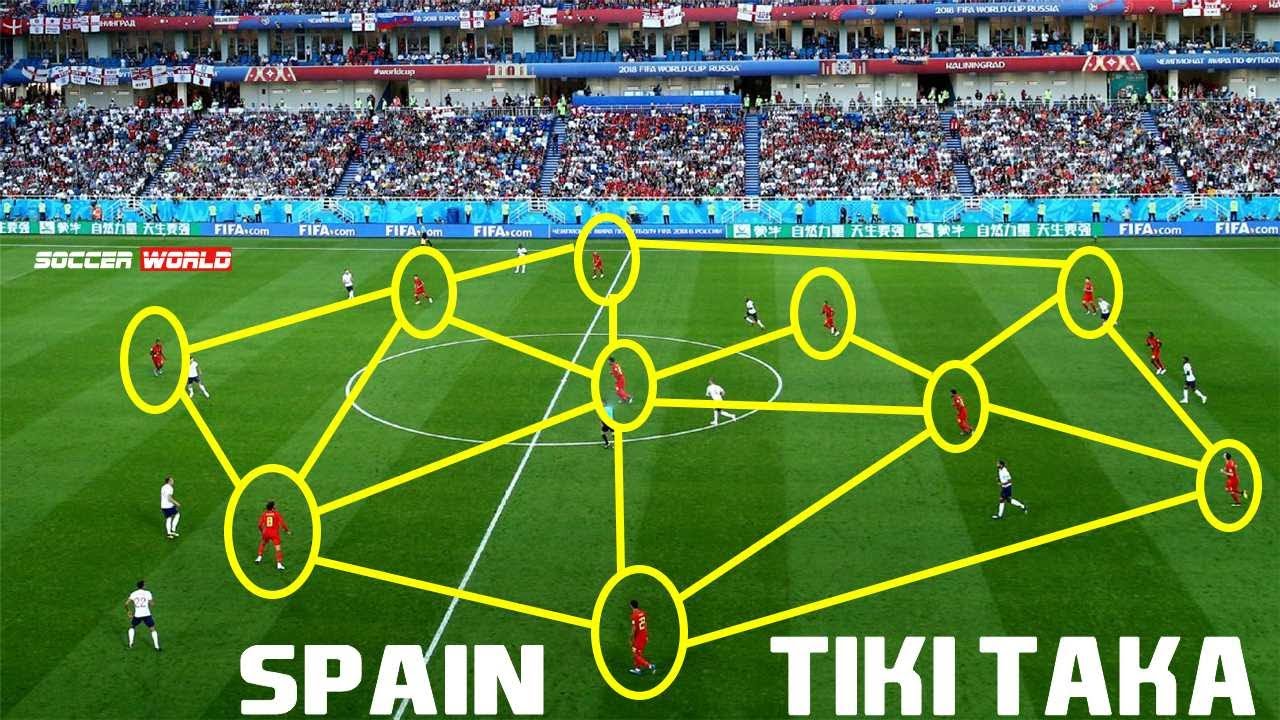
Crucially, Spain paired that composure with visible respect for their opponents in both the tense buildup and the post-match celebrations. They proved over 120 minutes that competitiveness and class are not mutually exclusive. You do not need to degrade your opponent to defeat them.
Why This Matters for the Next Generation
Millions of children were watching this match around the globe. They saw two distinct choices for how to handle extreme pressure.
- The Cynical Path: Reacting with frustration, rough tactics, and aggressive gamesmanship when circumstances get tough.
- The High Road: Staying disciplined, trusting individual skills, respecting the rules, and letting the quality of your football do the talking.
Spain gave those children a blueprint, whether they meant it or not, for what true sportsmanship looks like. They proved that respecting the game, and the opponent across from you, is the actual hallmark of a world champion, not just a polite line scripted for a post-match interview.
The Final Whistle
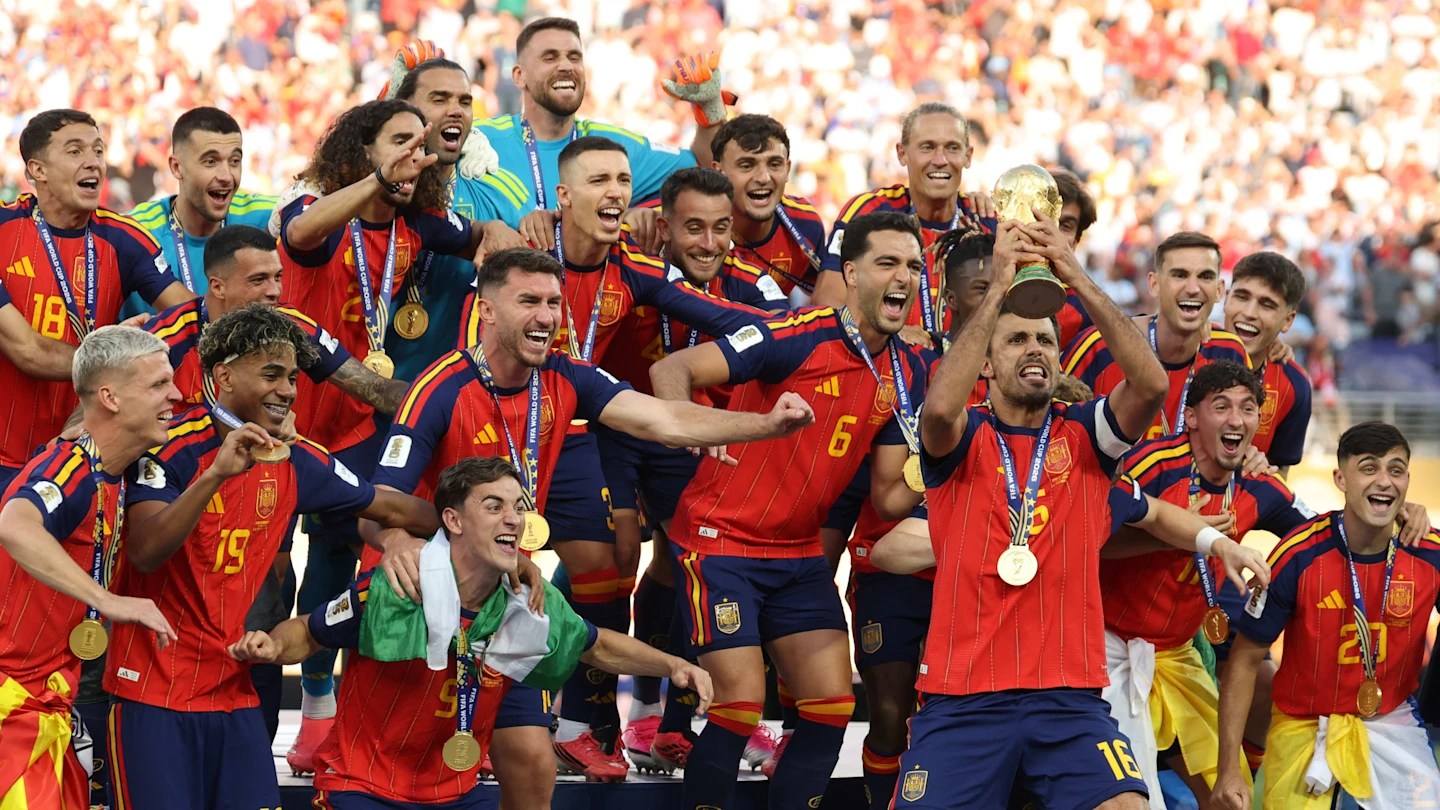
In sports, trophies eventually sit in a cabinet, but reputations endure. Spain left the pitch with the World Cup trophy in hand and their global reputation elevated to new heights. Argentina left with a stark reminder that once you lose the respect of the world audience, no amount of gamesmanship can save your narrative.
Football, at its absolute best, is a game of skill, patience, and honour. Spain remembered that, and the world rewarded them for it.


Leave a Reply