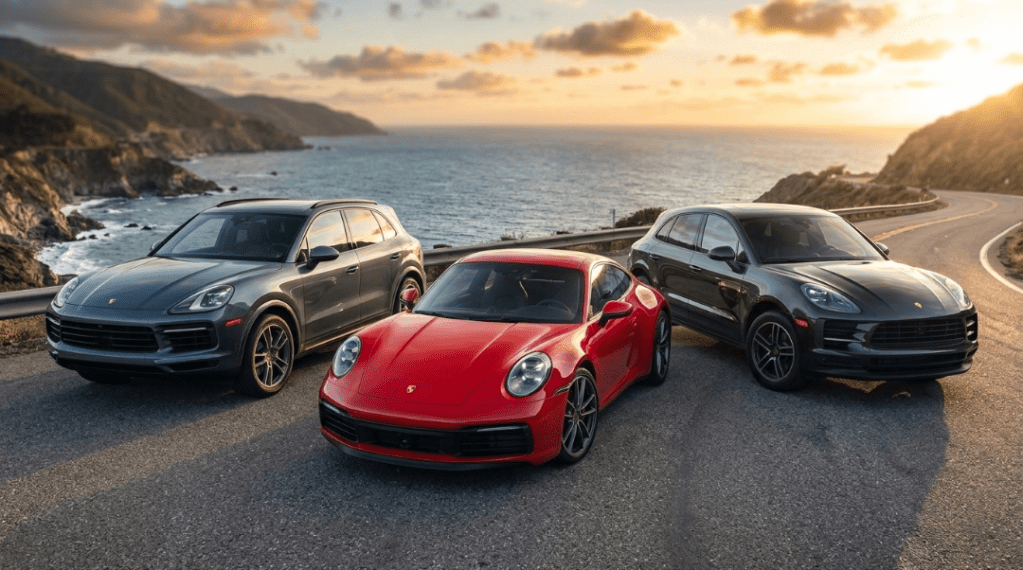
I explain why Porsche’s SUV lineup isn’t brand dilution, but a brilliant blueprint for defensive business strategy.
Apparently, writing about Porsche is a perfectly reliable way to summon Ferrari fans from the internet ether. My last Porsche post was a love letter to Stuttgart’s finest – a design analysis for people who appreciate a car that’s cute, sexy, and fierce all at once. Porsche fans showed up, nodded along, and left satisfied. What I did not anticipate was the squadron of Ferrari loyalists arriving in the comments, shields raised, ready to defend the honour of Maranello.
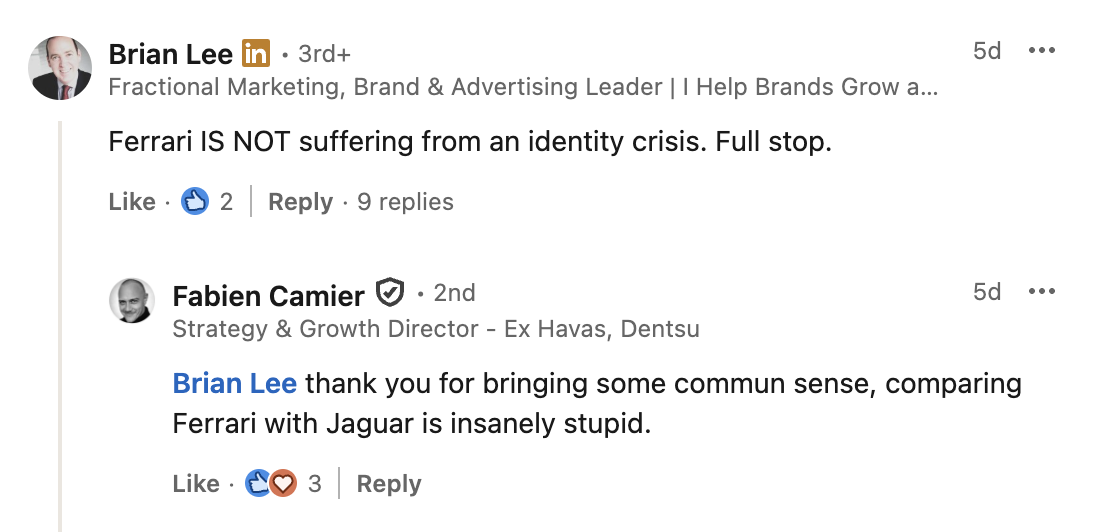
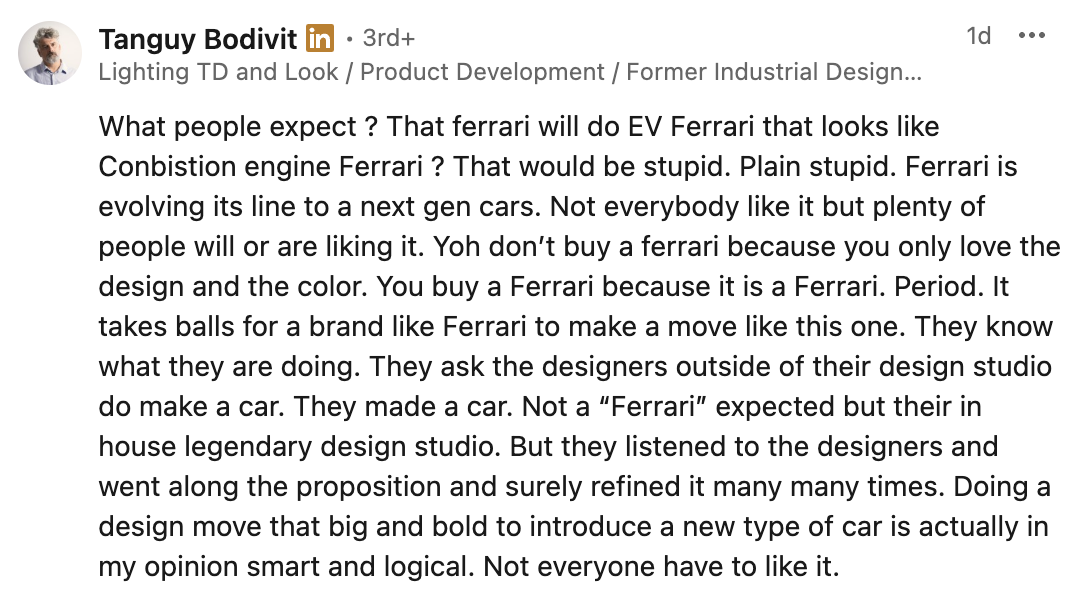
But while the Ferrari faithful were busy throwing stones at Porsche, their own house in Maranello was actively catching fire. Given the identity crisis currently happening to their beloved Prancing Horse with the release of the Luce, I suppose I can understand the anxiety.
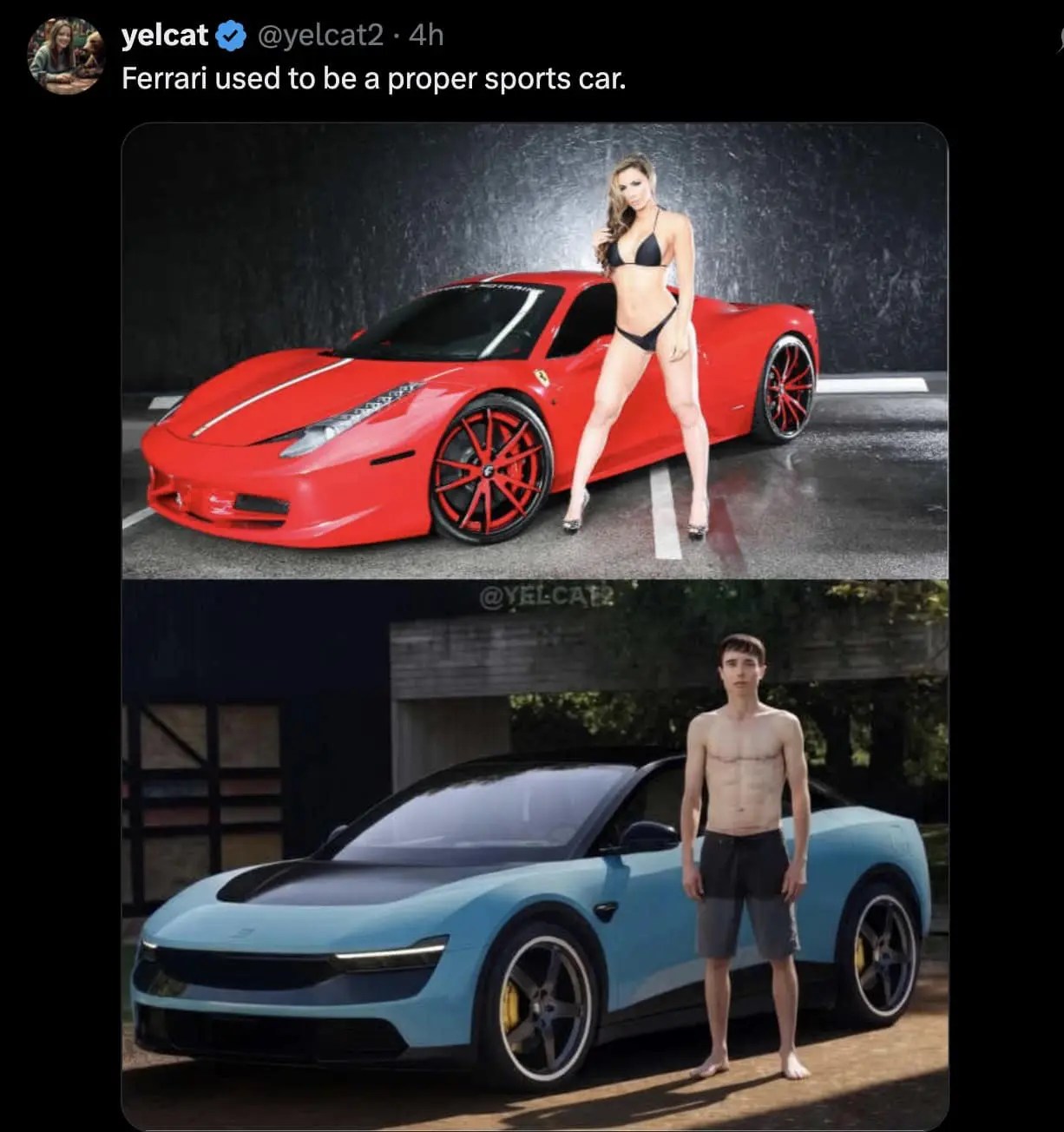
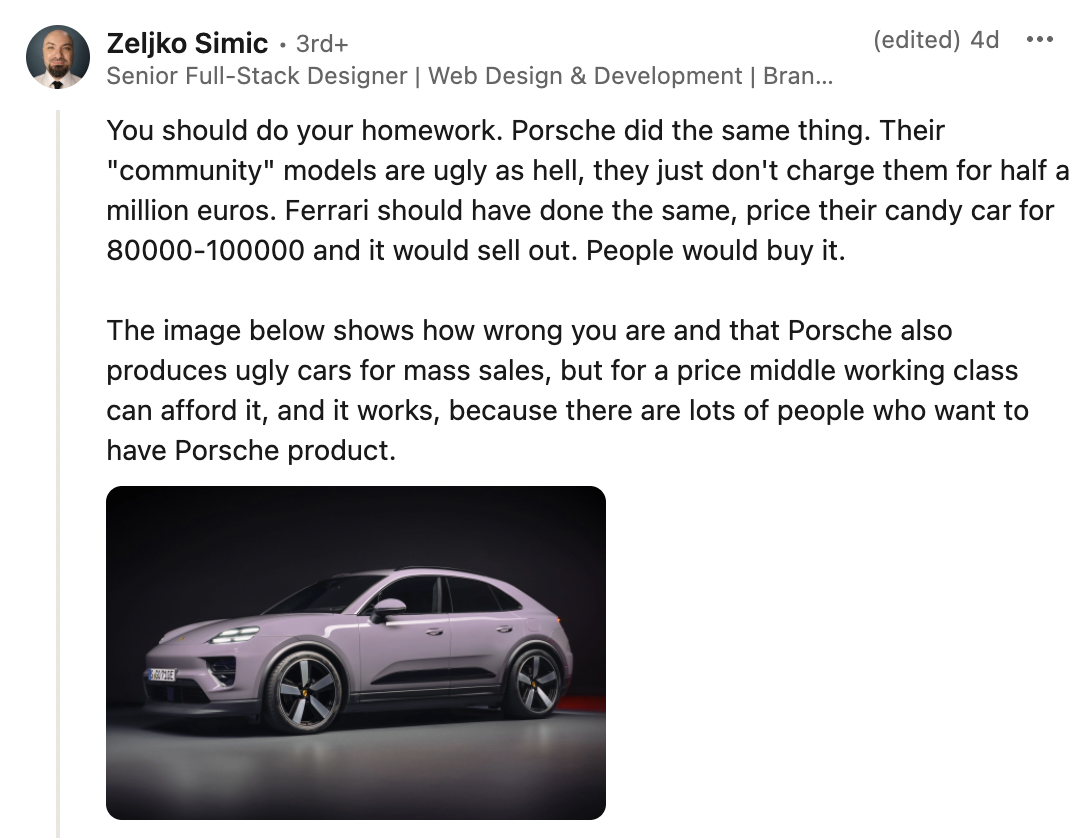
Critics’ defensive weapon of choice is remarkably predictable: pointing at the Cayenne and Macan exclaiming “brand dilution!” and “Porsche had huge drop in profits”. It’s a convenient fallback argument, but it fundamentally misunderstands both Porsche’s strategy and Ferrari’s current design missteps.
As captured in comments from the community, there is a strange narrative that broadening a brand’s demographic automatically weakens its heritage.



It is a surface-level critique that completely falls apart when you look at how Porsche actually engineered its ecosystem.
1. Visual cohesion and the courage to expand
Honest SUVs, not cosplay
The reason the Macan and Cayenne succeeded isn’t just because they are commercial hits, it is because they possess total visual cohesion and functional honesty.
When Porsche introduced its SUV lineup, it had the courage to step completely outside the traditional sports car box to build premium family vehicles. Crucially, they didn’t play pretend. They didn’t stretch an iconic sports car silhouette onto a SUV chassis to build a pseudo-supercar. They engineered highly capable daily drivers that wholly owned their purpose as luxury family cars.
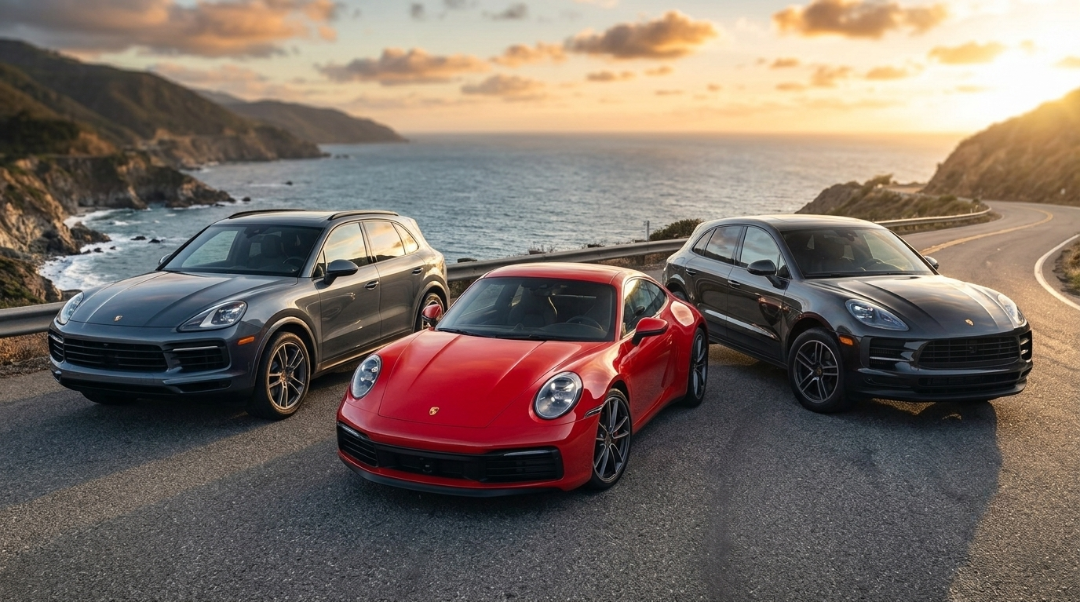
Walk up to a Macan or a Cayenne, and its Porsche lineage is instantly recognisable. From the distinct, signature four-point “cute” headlights that give the front fascia its alert expression, to the unmistakable continuous red light strip spanning that wide, muscular Porsche “butt” at the rear, the styling language is unified.
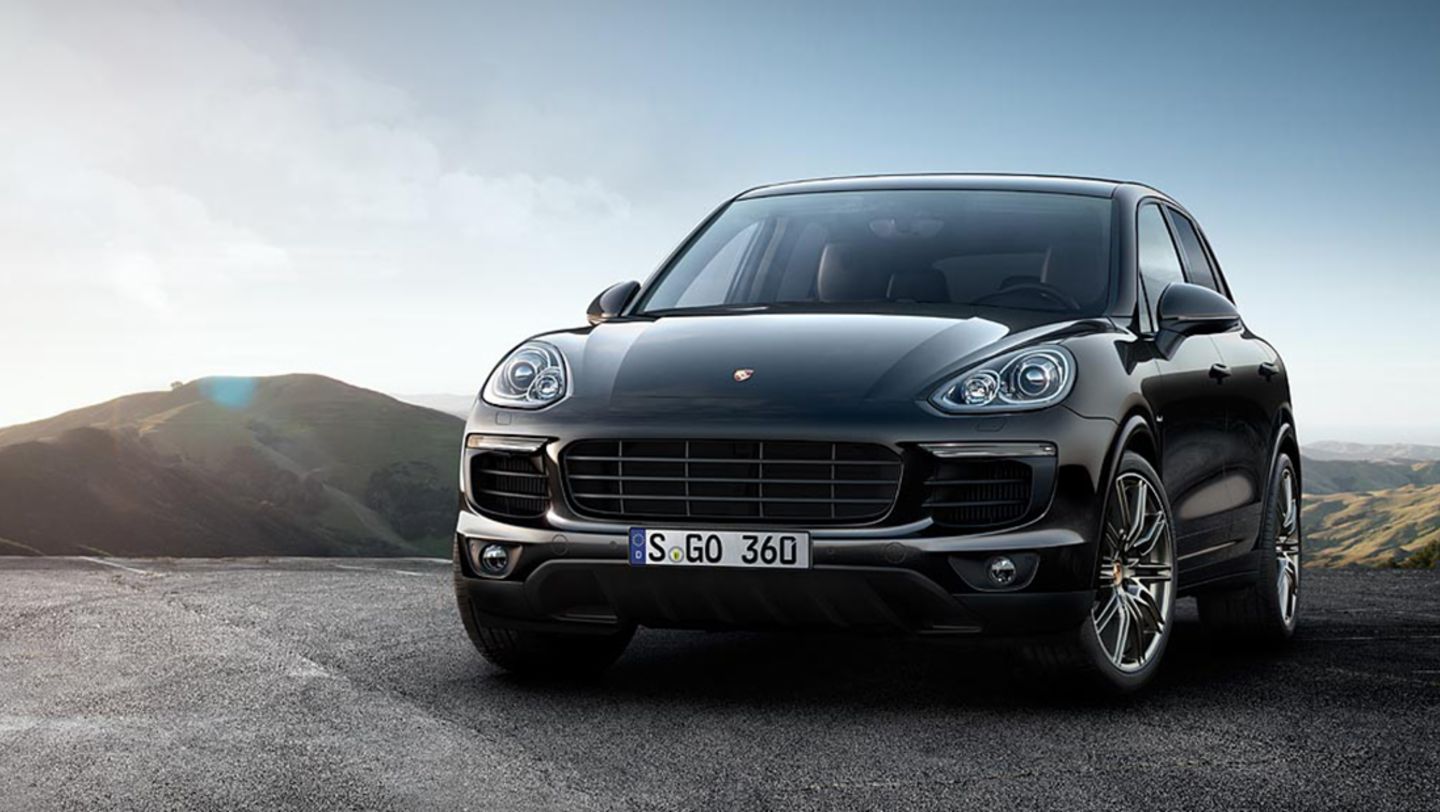
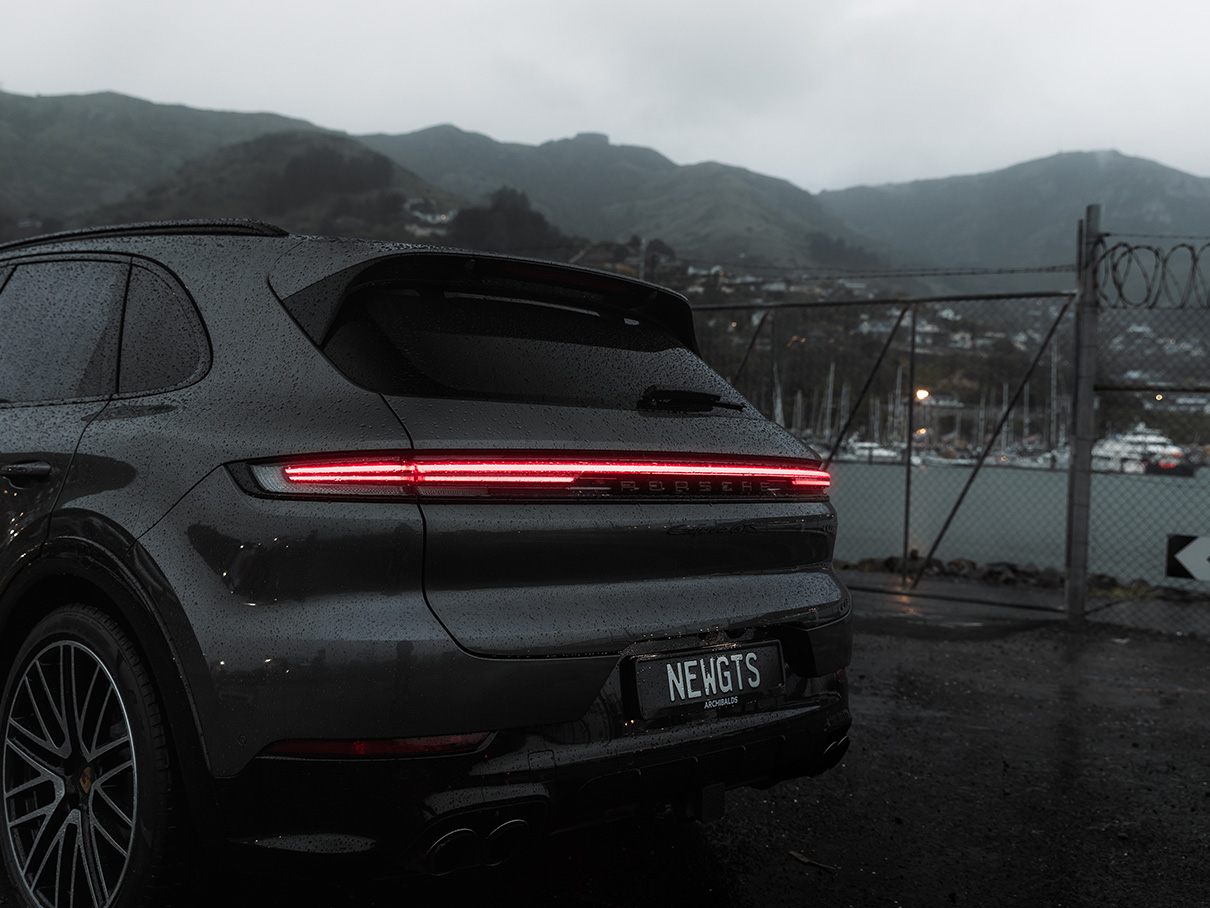
This is what a meticulous visual system looks like. The design language carries the exact same emotional pillars, whether it is applied to a flagship or a five-seater family cruiser. They don’t imitate a supercar, they exist as part of an undeniable family tree with the Porsche DNA instantly recognisable.
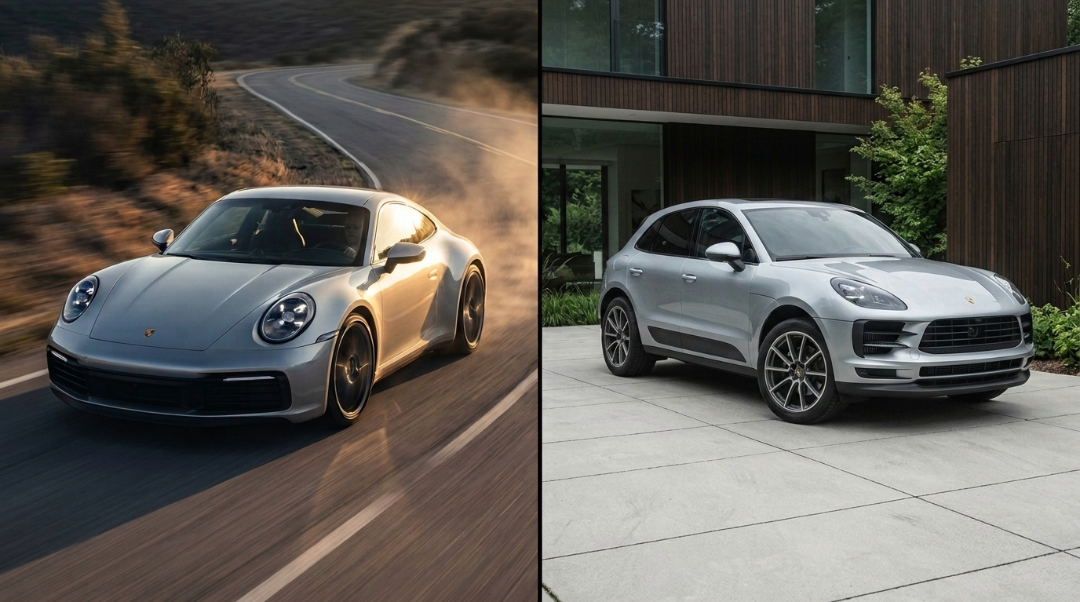
The sharper dilution complaint often isn’t about looks, it’s about scarcity. “Porsche used to be a cult sports car brand, now it’s mostly SUVs.” Fair enough, but scarcity was never Porsche’s moat. The brand’s whole premise was performance you could actually own and drive daily, not exclusivity for its own sake. What Porsche protects is how the car feels, not who’s allowed to have one.
You can dilute volume without diluting DNA, and that’s the trade Porsche made on purpose.
2. SUVs pay the bills
Cash cows keep icons pure
Purists frequently overlook the harsh reality of automotive economics: a brand cannot protect its heritage if it goes bankrupt. Porsche’s range expansion perfectly demonstrated the power of a defensive business strategy.
By creating high-margin, high-volume segments with the Cayenne and Macan, Porsche generated a massive, sustainable stream of revenue. This cash flow acts as a financial fortress, specifically funding the relentless, compromise-free development of their pure sports cars.
We see the ultimate payoff of this strategy right now. Under CEO Dr. Michael Leiters, the company explicitly confirmed a line in the sand that has the entire automotive world applauding: Porsche will not make a fully electric version of the iconic 911.
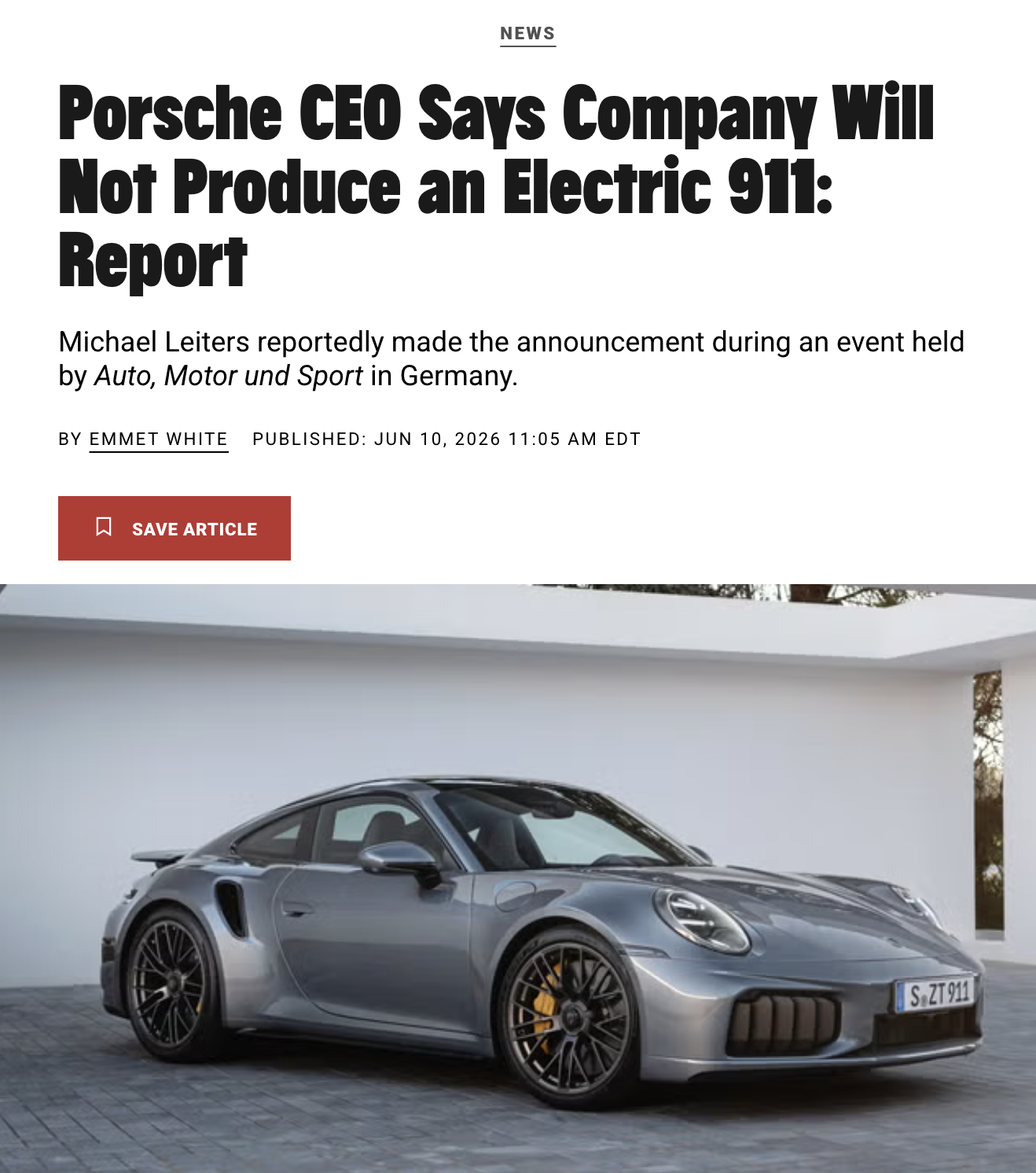
While electrification is embraced where it makes sense in the broader utility range, the flagship 911 remains sacred, engineered strictly in internal combustion and performance hybrid technology.
The SUVs are the responsible “adults” paying the bills so the 911 can keep being wild and live its rock-star lifestyle.
3. The sales slump myth, all while the Porsche icon is booming
911 thriving while others reset
Naturally, internet commentators point to Porsche’s recent global sales dip and declare it an emergency, assuming the brand’s mass-market strategy isn’t going great.
Indeed, the topline number dropped 15%, down to 60,991 units. But Porsche is not panicking in a boardroom somewhere, they’re doing a wardrobe change. The 718 retired, the Panamera is waiting for its China-only glow-up to land, and the Macan is in transformation into an EV. That’s not customers walking away, that’s Porsche tidying the closet before the next outfit drops.
And the one car nobody’s allowed to touch, is the iconic 911. It just had its best quarter in years, climbing 22%, with buyers reaching for the GTS and Turbo trims. If brand loyalty were actually cracking, that’s not what it would look like.
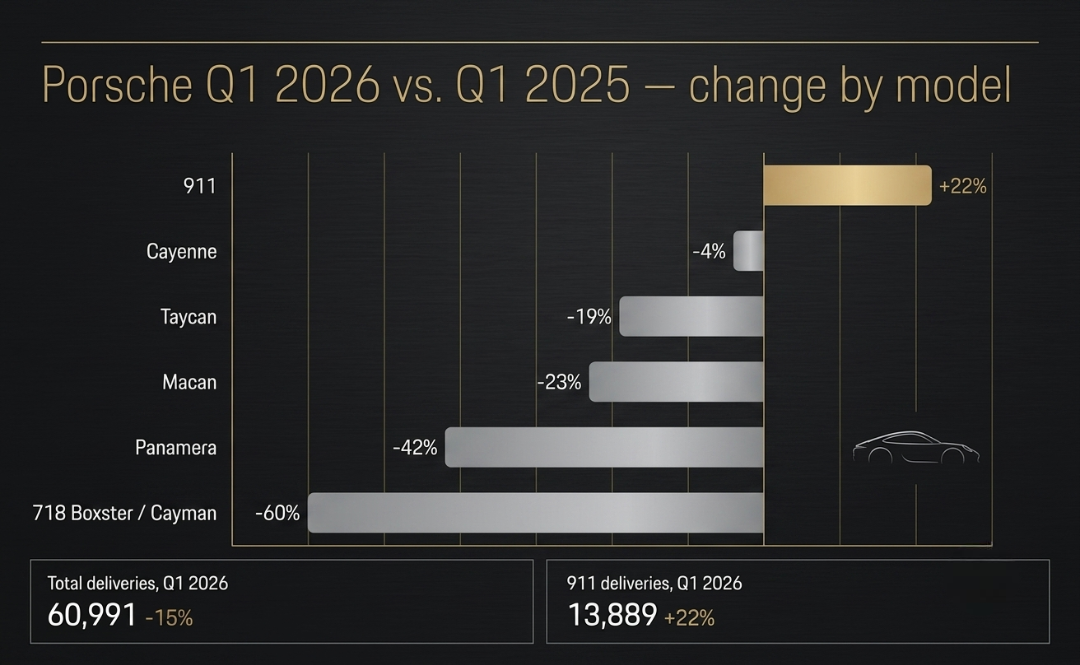
The Macan’s dip is worth a footnote of its own. It’s down further than the Taycan this quarter, but for the same reason as everything else on the chart: the combustion version is being phased out as it shifts to fully electric, with the all-electric Cayenne picking up the baton later this year.
Final Thoughts
Ferrari dyed it blue, while Porsche stayed true
Expanding a product range to cater to families isn’t a brand dilution, it is the very mechanism that keeps a brand’s heritage alive.
Porsche won the long game because they used their range expansion to shield their identity, keeping the 911 fiercely independent. They built a financial wall around their crown jewel, ensuring the 911 never had to change into something it’s not.
If Ferrari fans want to defend the Luce, they need to look closely at this playbook. While Porsche used design and business cohesion to keep its icons pure, Maranello turned its own legacy into a confusing experiment, outsourcing its soul to LoveFrom and borrowing the cold, sterile aesthetic of Silicon Valley.
Porsche is the brand that built a strong, consistent design language, while Ferrari is the one that shrank itself, dyed its hair blue, and insists “it’s still me.”
Written by a designer who can spot a brand’s DNA from across a parking lot, and knows exactly how legacies lose their way.


Leave a Reply