As a designer, I spend my life analysing why people fall in love with spaces, experiences, objects and brands. Yet lately, looking at the automotive landscape has felt like watching a slow-motion wreck of brand identity. Ferrari’s newly unveiled electric car the Luce, designed by Sir Jony Ive, instantly tanked their stock by trading Maranello’s visceral sports car DNA for a polarising, hyper-minimalist sterile glass box.
Then there’s Jaguar, which a year ago decided to burn its entire identity to the ground, dropped the iconic leaping cat that had defined it for decades, and released an ad campaign so abstract that people genuinely weren’t sure it was selling a car at all. European sales subsequently collapsed by nearly 98%.
Two legendary marques, two enormous own-goals, and one underlying mistake: someone decided that the soul of the brand was something you could negotiate with. When you mess with the fundamentals of what makes an icon, the magic evaporates.
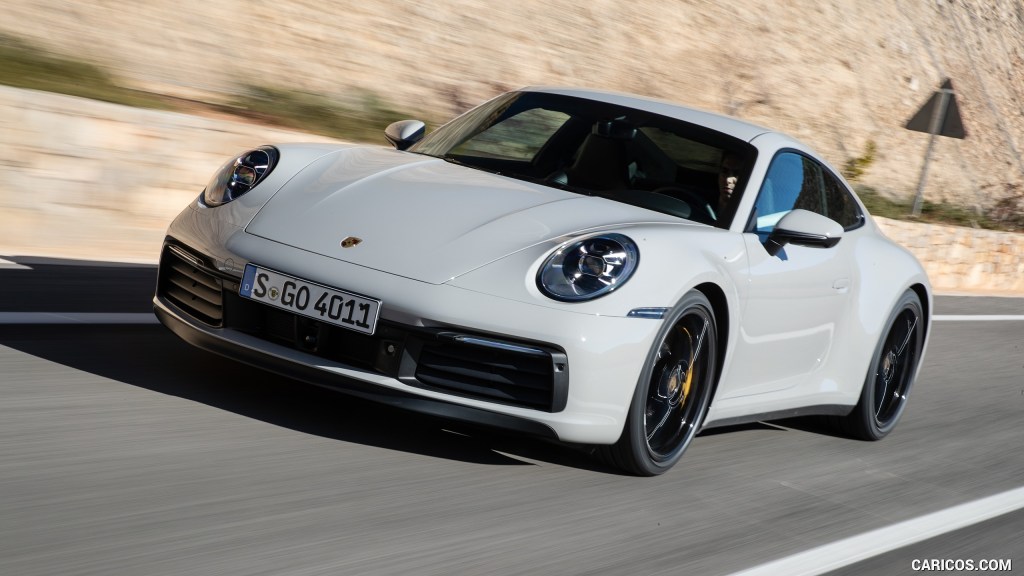
Porsche, meanwhile, just keeps being Porsche. That stubbornness, that almost arrogant refusal to dissolve what makes itself so enchanting, is exactly why this specific, enduring obsession stands out so clearly right now: the collective, almost cult-like infatuation men have with Porsche.
Unlike its competitors, Porsche understands that evolution beats revolution every single time. Watch a man spot a Porsche on the street. His conversation halts, his eyes track the curve of the rear fender. It is an instant, primal pull, like a sailor hearing a siren’s song from across the water.
I’ve been watching this reaction for a while now, and as a designer I’ve landed on what I think is the real answer. If you look past the standard, predictable talking points like “German engineering” or “craftsmanship,” the answer lies in a brilliant visual psychology.
Porsche has never messed with its core identity because it already owns the ultimate design contradiction: it is entirely innocent on the surface, but fiercely lethal underneath.
By pulling off that contrast, it hits the absolute jackpot of a triple threat: it is simultaneously cute, sexy, and fierce.
The Cute Face
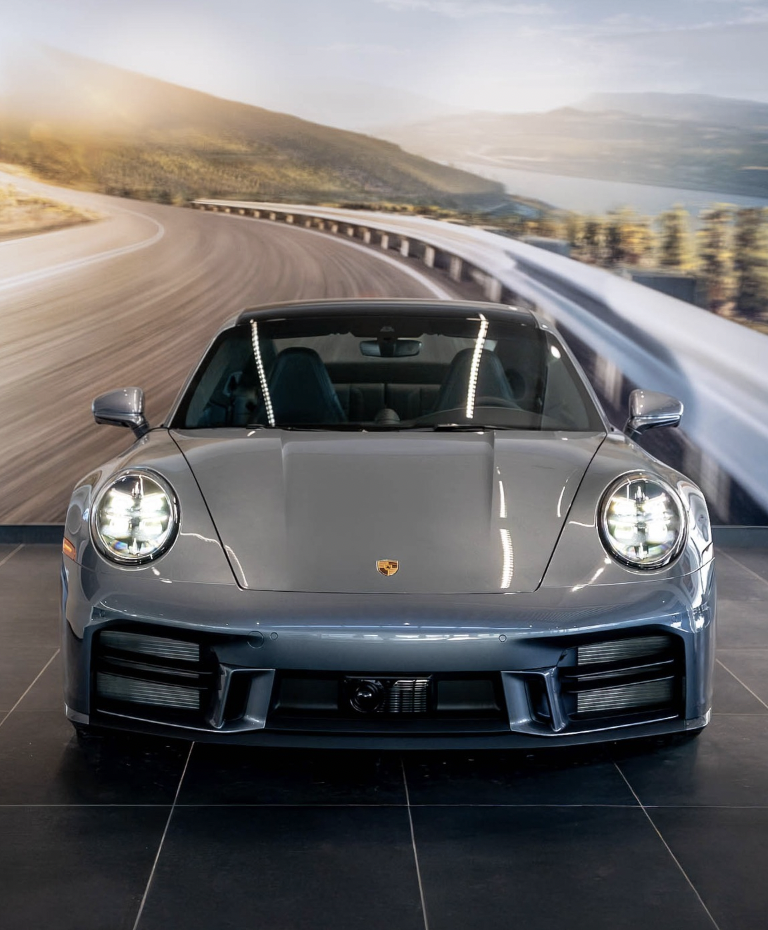
Look at the face of a 911. It doesn’t glare at you with the hyper-aggressive, angry-robot scowl of modern supercars. Those wide, curious, round headlights are almost cartoonish. It looks friendly, a little chubby, and weirdly approachable for something that costs more than some people’s apartments. The front hood slopes down gently, clean and completely uninterrupted by dramatic vents or jagged slashes. It possesses a certain softness – approachable, unpretentious and invites a smile before it ever asks for respect.
The Sexy Sillouhette
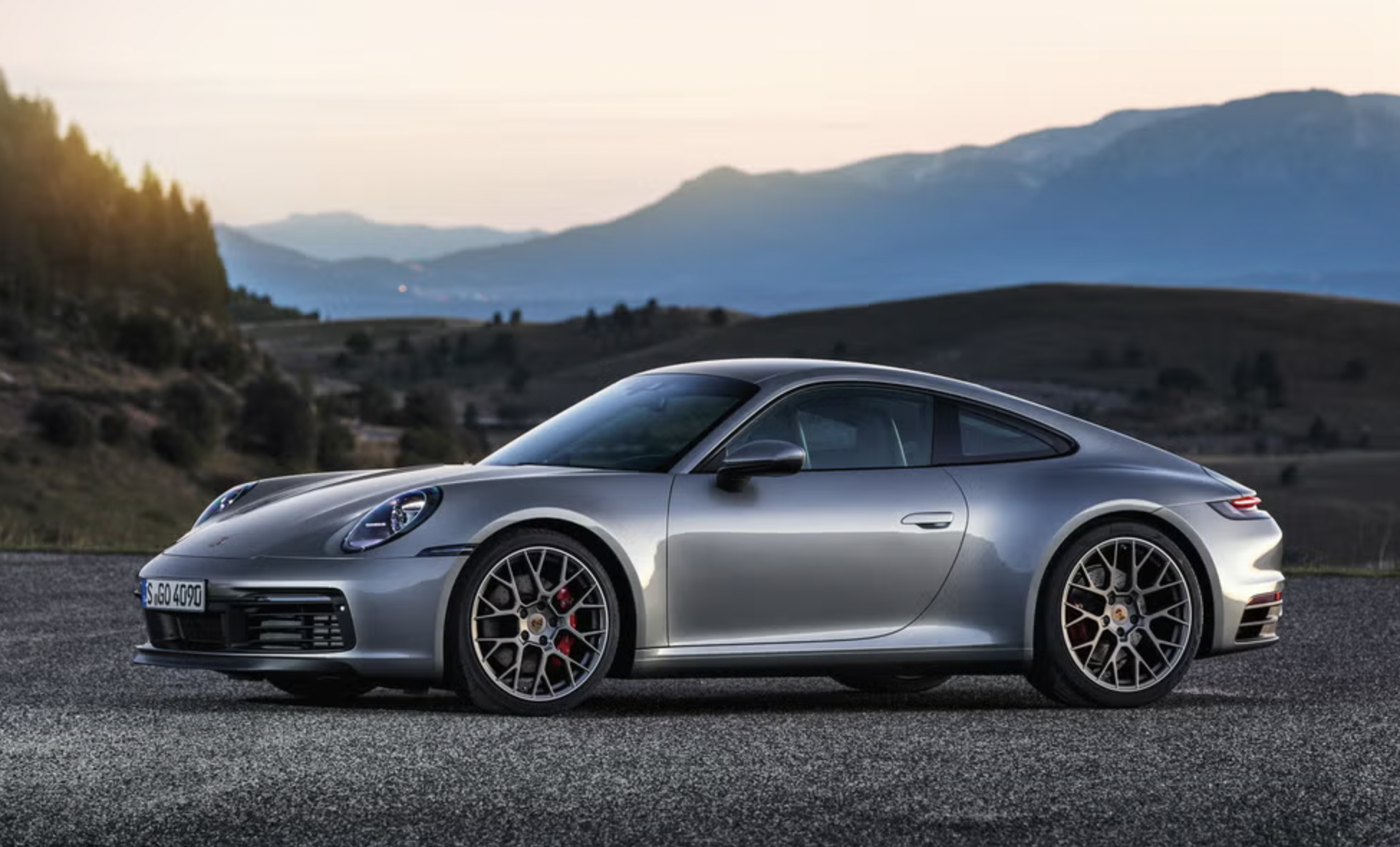
Follow the lines past the front wheels, and the mood completely shifts. The roofline slopes back into those impossibly fluid, muscular rear hips. This is pure, tactile sculpture. The way the light catches the rear arches is elegant, smooth, and deeply provocative. It’s a shape that doesn’t need sharp, try-hard lines to scream for attention; its sensuality is entirely in its curves.
The Fierce Undercurrent
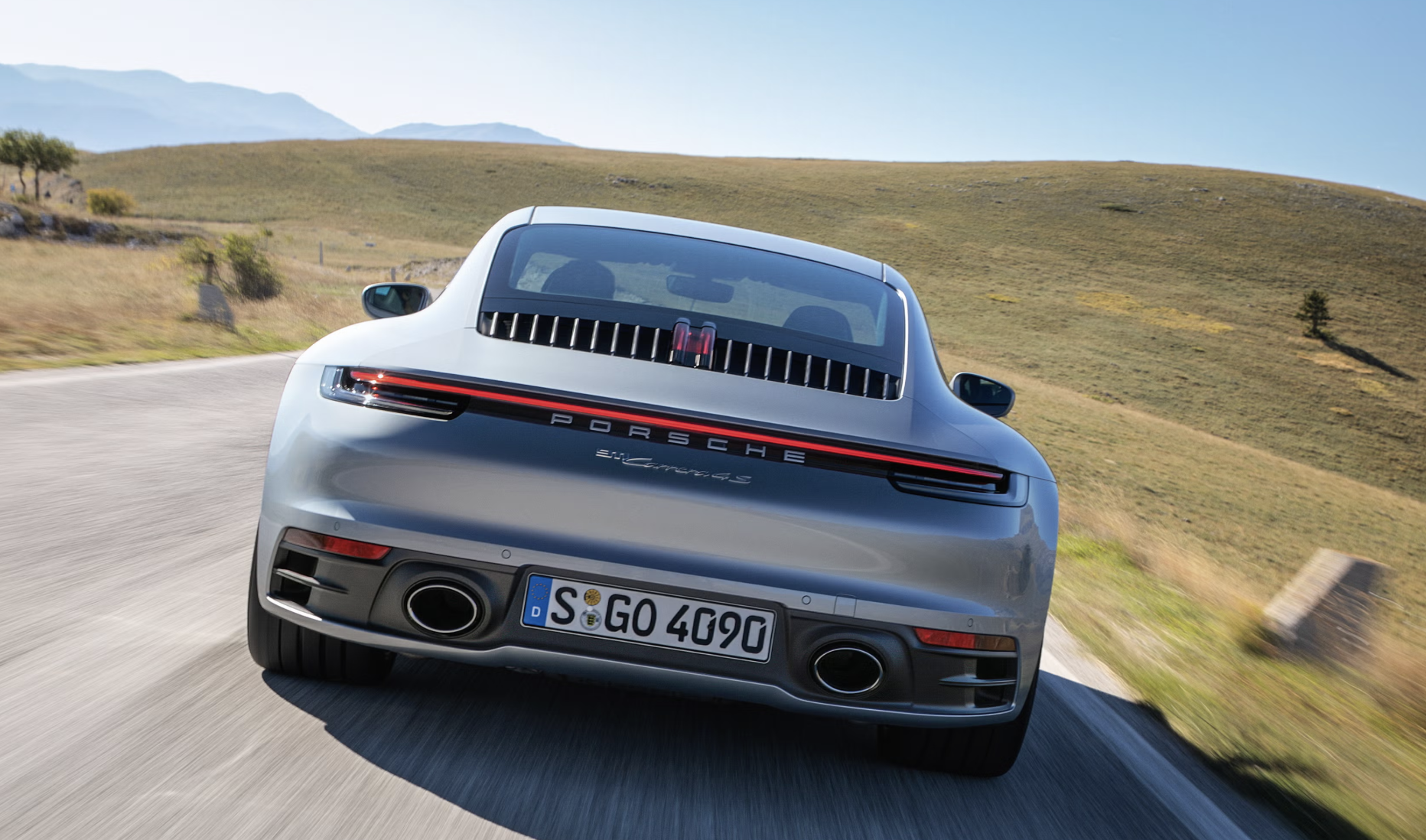
Then, the illusion of innocence evaporates. The moment the engine fires up, you realise the car sits low, planted, and ready to strike. That approachable, friendly shape turns out to be a precision-engineered missile. It is a wolf wrapped in the most elegant, minimalist silk.
The cuteness of its face doesn’t cancel the ferocity. The beauty of its curves doesn’t soften it. They all just sit together, and that’s the thing most cars can’t do.
A Ferrari is sexy and fierce. It tells you immediately what it is and what it demands from you. A classic Mini is cute and that’s where it ends; there’s not much lurking underneath the charm. But the Porsche refuses to resolve into just one thing, and that unresolved quality is precisely what keeps pulling people back. You think you’ve figured it out and then you look again and there’s still something you can’t quite account for.
Decoding the Porsche Spell
This trifecta is exactly why the design is so addictive to the male psyche. While other luxury brands are having existential crises, trying to reinvent the wheel with tech-heavy minimalism, Porsche gives the owner a timeless, beautiful paradox: a car that looks civilised enough to park at a quiet neighbourhood café, but possesses an underlying ferocity that promises absolute thrill.
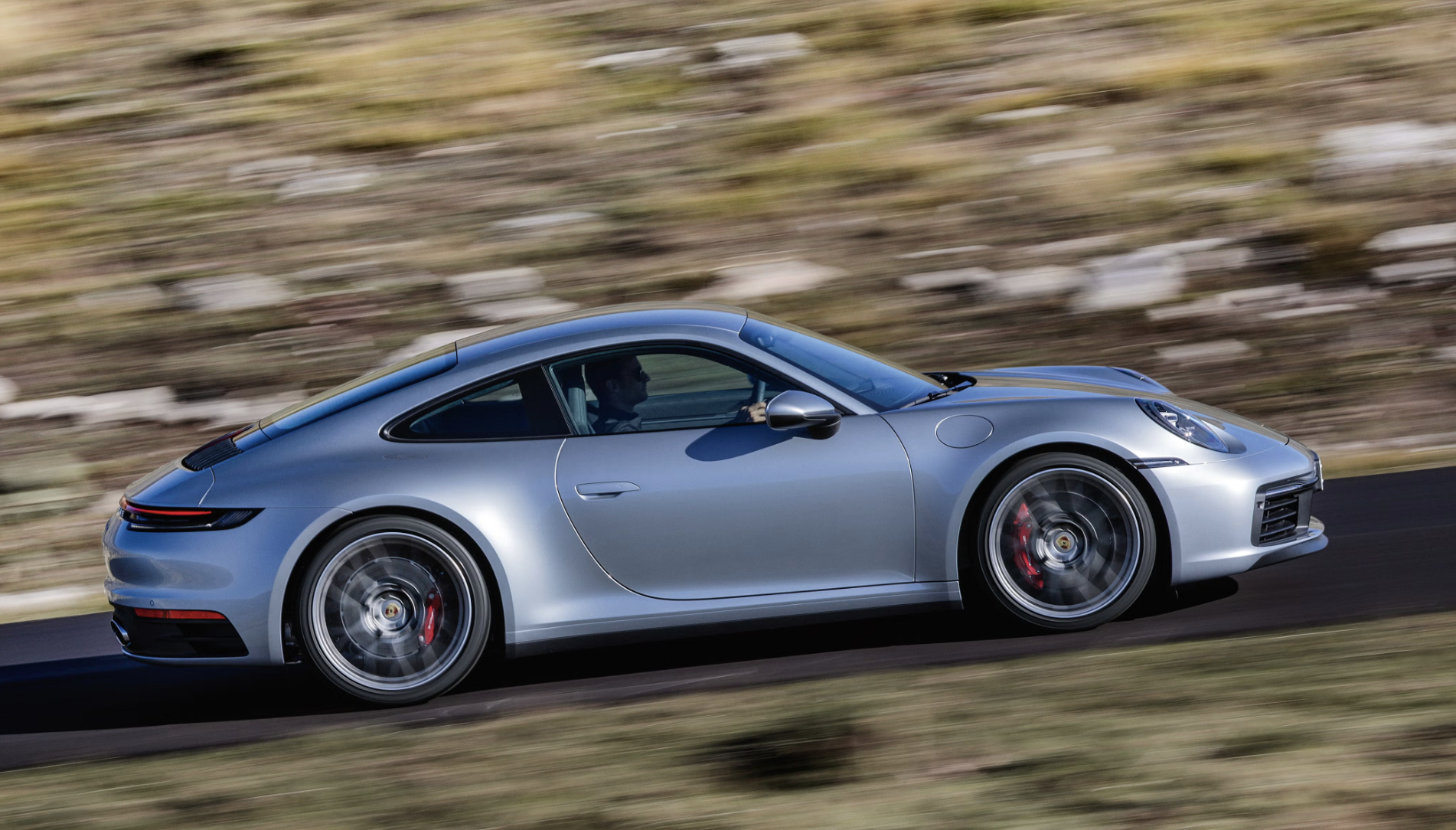
Porsche understands that its identity isn’t a brief you can outsource to someone else or a logo you can quietly retire. It’s a set of proportions and tensions that have been refined over decades. Cute, sexy and fierce held in a balance so precise that disturbing any one part of it collapses the whole thing.
Men aren’t obsessed with Porsches because they love cars. They’re obsessed because the Porsche makes them feel something they can’t quite name and can’t quite shake – that rare, disarming combination of looking harmless and being anything but.
It just parks quietly by the curb with its round eyes catching the light, and waits for you to come to it.
— Written by a designer who has spent an unreasonable amount of time staring at sports cars and pretending it’s research.


Leave a Reply