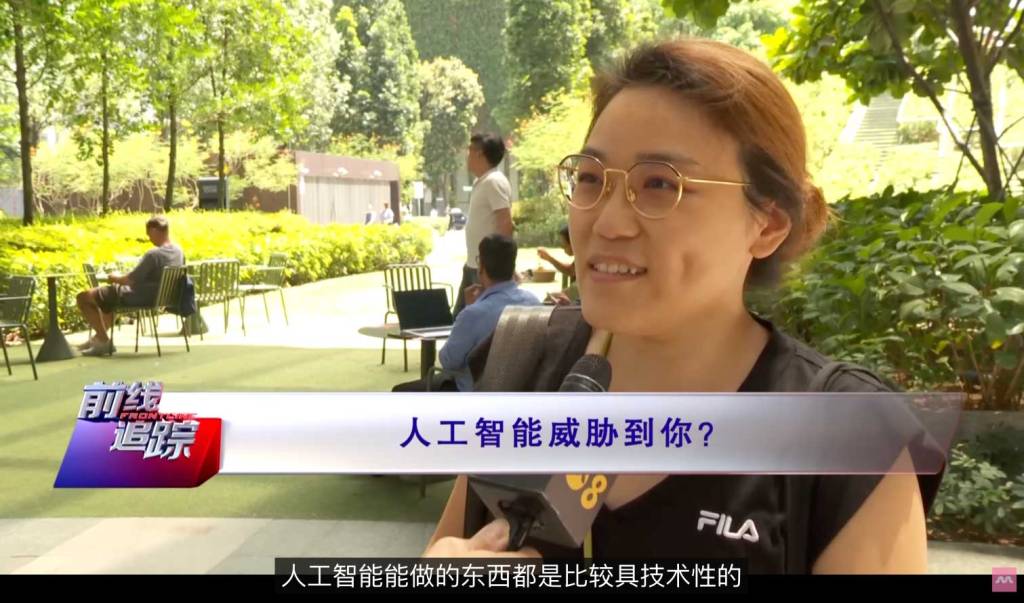
A Channel 8 reporter stopped me on the street in Singapore recently and asked a blunt question: “Does AI threaten you?”
My honest answer was, “not really”. But I knew instantly what it does threaten, and for a lot of people, that answer should feel urgent.
What AI is actually good at
As a designer, I’ve watched AI get very good at the technical stuff, the repetitive, time-consuming tasks that used to define the early stages of most creative and knowledge-based careers. Formatting, templating, resizing, researching, drafting, annotating. The work that used to take hours now takes minutes.
However, there are unique human skills that AI still can’t do: think strategically. Hold a point of view. Read a room. Build relationships. Make a judgment call that weighs culture, context, and nuance all at once.
The deeper problem isn’t just that AI is replacing tasks. It’s that those tasks used to be quintessential in the apprenticeship phase. The unglamorous phase where juniors learn the craft by doing the work, making mistakes, and building intuition slowly over time.
The apprenticeship problem
When the reporter pushed further, “Are junior positions more threatened by AI?” I said yes. And I’ll stand by that.
Junior roles’ tasks tend to be more technical, more process-driven, and less strategic. That’s not a criticism of people in those roles; it’s just a description of where most of us begin. You lay the foundation by doing the fundamentals. You understand why a strategy works by first executing it yourself, imperfectly, then iterating.
When AI is now doing that work instead, the training ground disappears. The concern isn’t just job loss today, it’s also the hollowing out of career development for the next generation.
So what do you build instead?
If the technical, repeatable work is increasingly handled by AI, then your value has to live in the layer above it. Here are four areas worth investing in deliberately.
- Problem-solving: Framing the right question matters more than executing the answer
- Creativity: Original thinking, taste, and a genuine point of view
- Communication: Clear, persuasive, context-aware, especially under pressure
- Strategic thinking: Seeing the bigger picture and making judgment calls with incomplete data
- Relationship building: Trust, credibility, and influence while still being deeply human
- Adaptability: Staying useful as tools, roles, and industries keep shifting
These aren’t soft skills anymore, they’re the hard skills of the next decade, and they take just as long to develop as technical craft used to.
Use AI, but don’t outsource your thinking to it
The answer isn’t to avoid AI, it’s to use it as a tool, not a crutch. Let it handle execution but keep the vision, the judgment, and the strategy firmly in your hands (and brain).
AI can produce a hundred variations but you still have to decide which one is right, and why, and what it means for the person on the other end of it.
That gap between generating and deciding is where your career lives now. The threat isn’t that AI is smarter than us. It’s that we might stop developing the parts of ourselves it can’t replace. We must level up deliberately, and immediately.


Leave a Reply