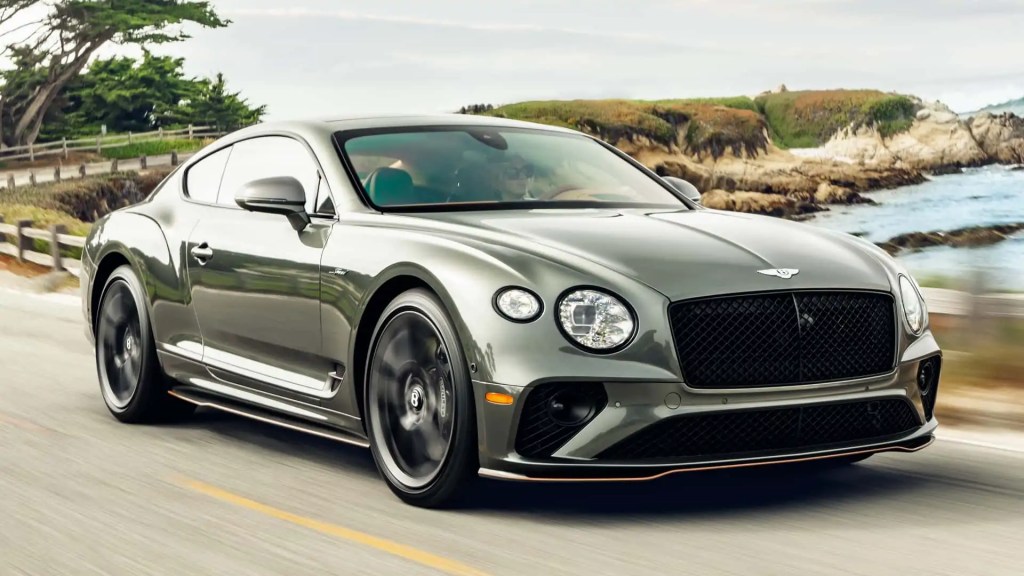
Step out onto any urban arterial today, and the modern automotive landscape reveals a curious conformity. We navigate streets crowded with monolithic, slab-sided electric crossovers and homogenised imports designed by algorithm.
In the relentless pursuit of minimalist drag coefficients and maximum battery volume, modern cars have largely surrendered their distinction, morphing into sleek, boxy gadgets on wheels.
And then, a classic Bentley glides into view.
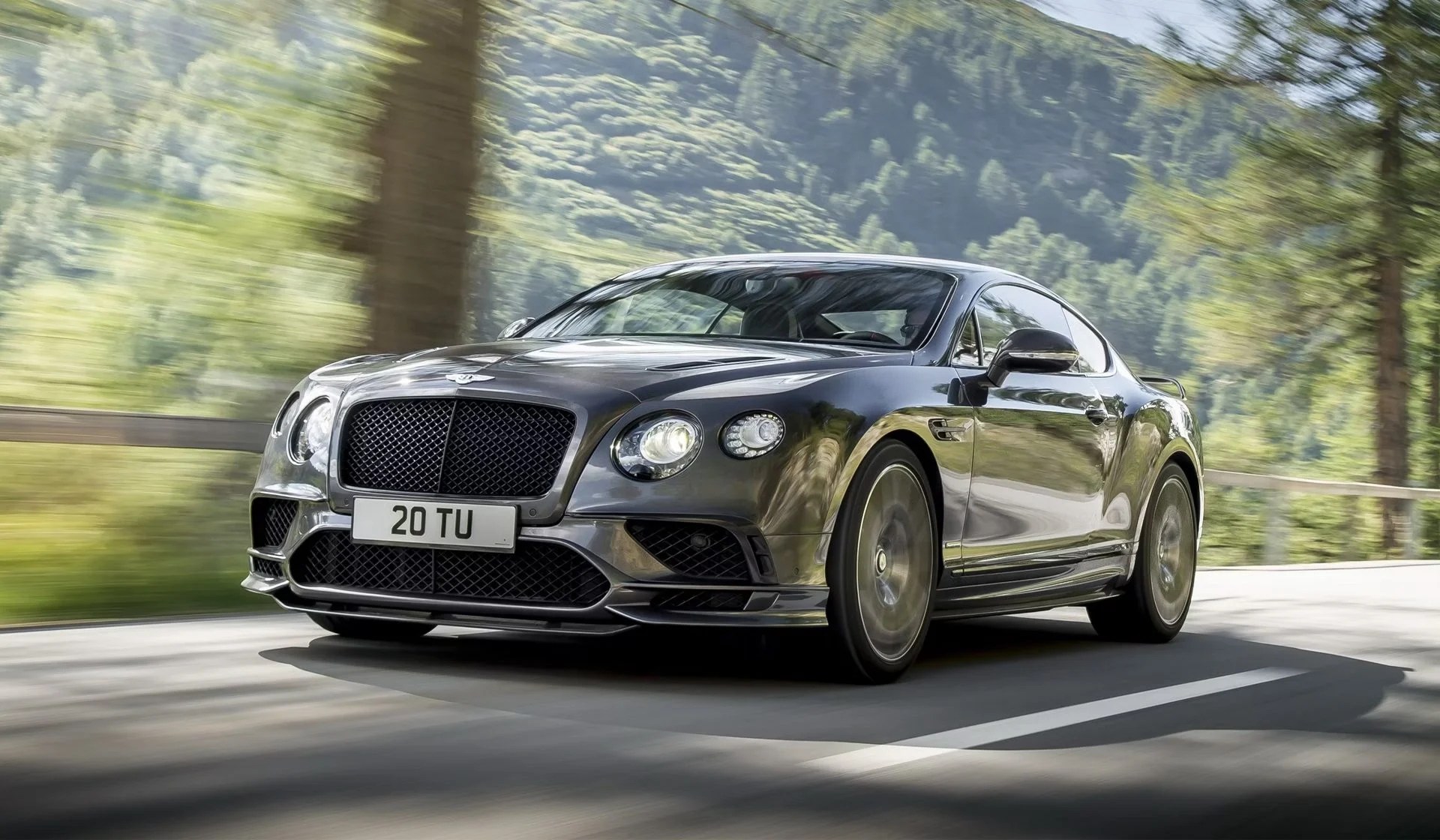
Amongst the sea of monochromatic sameness and aggressive light-bars, a Bentley looks less like a product of the mid-2020s and more like a majestic visitor that took a wrong turn out of an older era. Far from looking outdated, it carries a posture of absolute authority, demanding attention not through novelty, but through pure proportion and sculptural dignity.
There’s a phrase for that feeling: old money. Not loud, not desperate to prove anything, just effortlessly certain of itself.
In a landscape where car design is dictated by battery packs and wind tunnels, true luxury relies on the human hand and the spirit of classic coachbuilding.
Sculpted from a Golden Era
The magic of Bentley’s classic aesthetic lies in its uncompromising preservation of heritage line work:
- The Long, Stately Bonnet: Stretching out like a classic ocean liner, creating dramatic cab-backward proportions that push the cabin back and let the engine bay announce itself first.
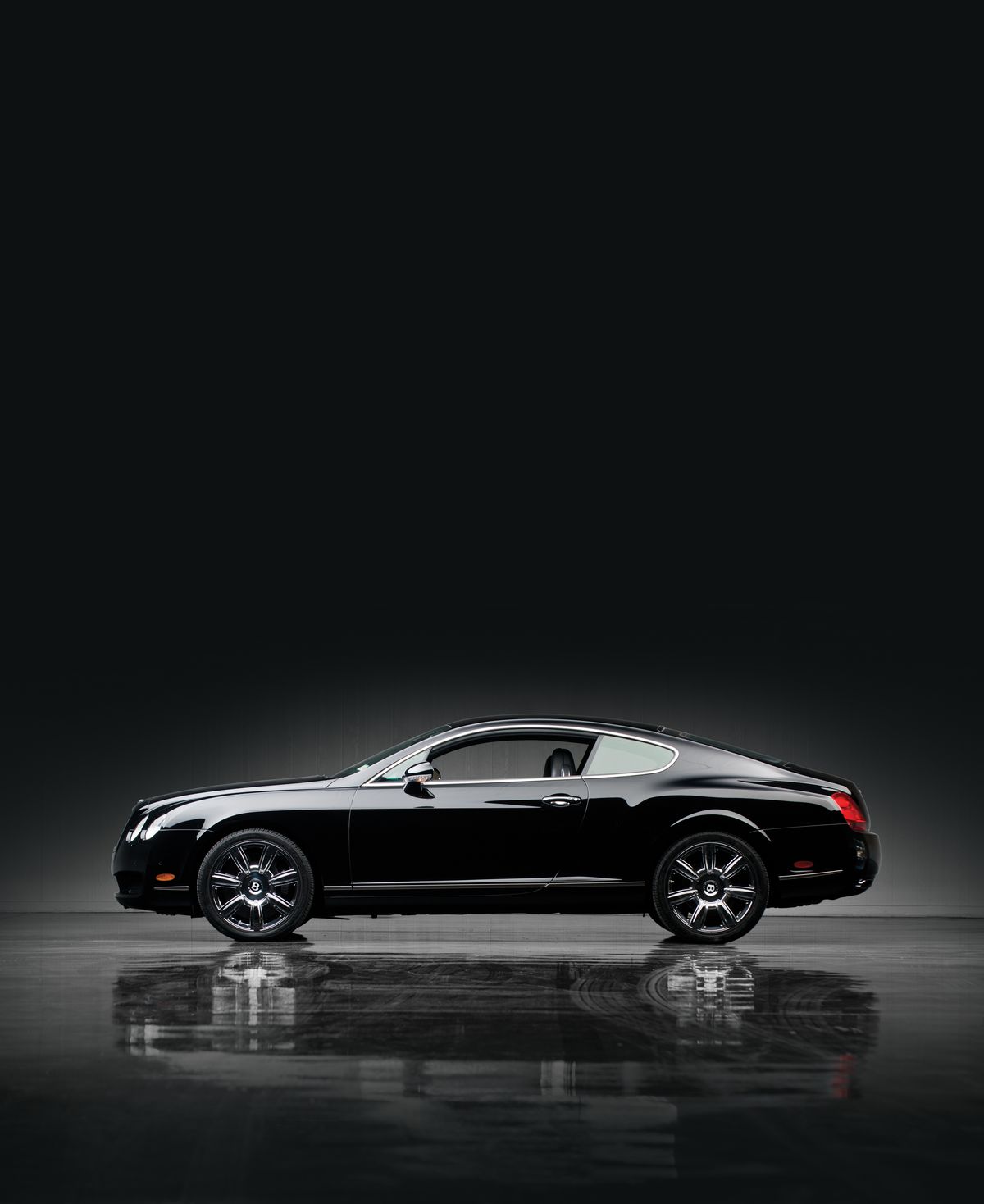
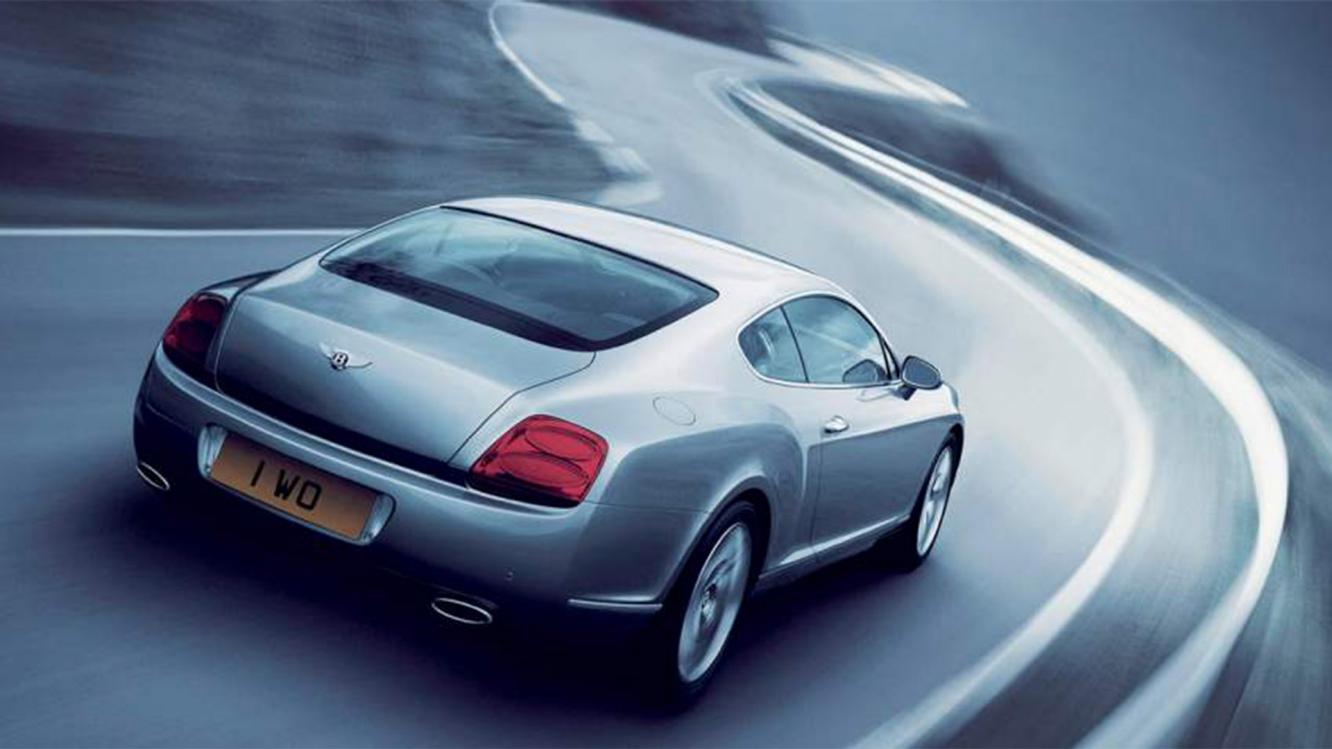
- The Haunches: Muscular rear arches that curve with the athletic elegance of a 1940s grand tourer.
- The Matrix Grille: A prominent, upright front end, flanked by jewel-like headlamps, that stands as an unyielding monument to bespoke craftsmanship.
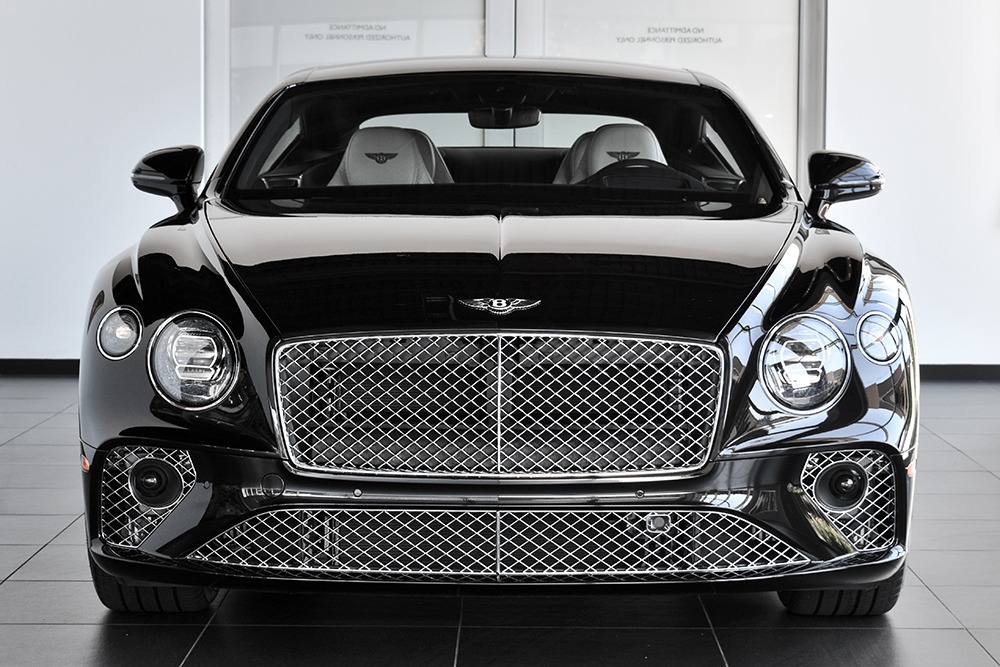
None of this is retro for retro’s sake. It’s a bloodline; a quiet insistence that some proportions were simply right the first time, and don’t need reinventing every product cycle.
When the Bloodline Fades
And then, almost as if to prove that life has a curious way of making us forget who we fundamentally are, Bentley finally tried to chase the future, and it did not go well (in my opinion).
The EXP 15 concept previewing the brand’s first EV is asymmetrical, digital-gridded, and trying so hard to look “next-gen” that it forgot what made Bentley beautiful in the first place.
This is the growing tragedy of luxury motoring in the electric era. When heritage brands chase EV trends, they often forget the very bloodline that defined them. To accommodate flat battery “skateboard” platforms, classic cab-backward silhouettes get sacrificed for stubby noses, inflated rooflines, and generic boxy shapes.
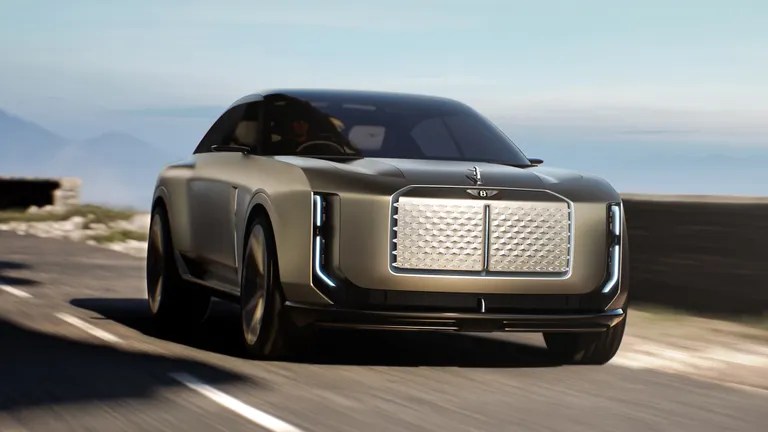
The moment cut-crystal detailing and sweeping body creases get swapped for illuminated digital grilles and slab-sided aerodynamics, the magic dissolves.
The machine stops looking like an immortal piece of automotive art and starts looking like just another heavy, over-styled appliance. Proof by contradiction: the instant a brand stops trusting its own bloodline, the elegance evaporates.
The Power of Staying True
Cruising serenely through modern traffic, a classic Bentley reminds us that true elegance never expires. It proves that even in an age dominated by boxy efficiency, algorithmic sameness and interchangeable EV design, a machine anchored in its historic roots will always look effortlessly, beautifully timeless.
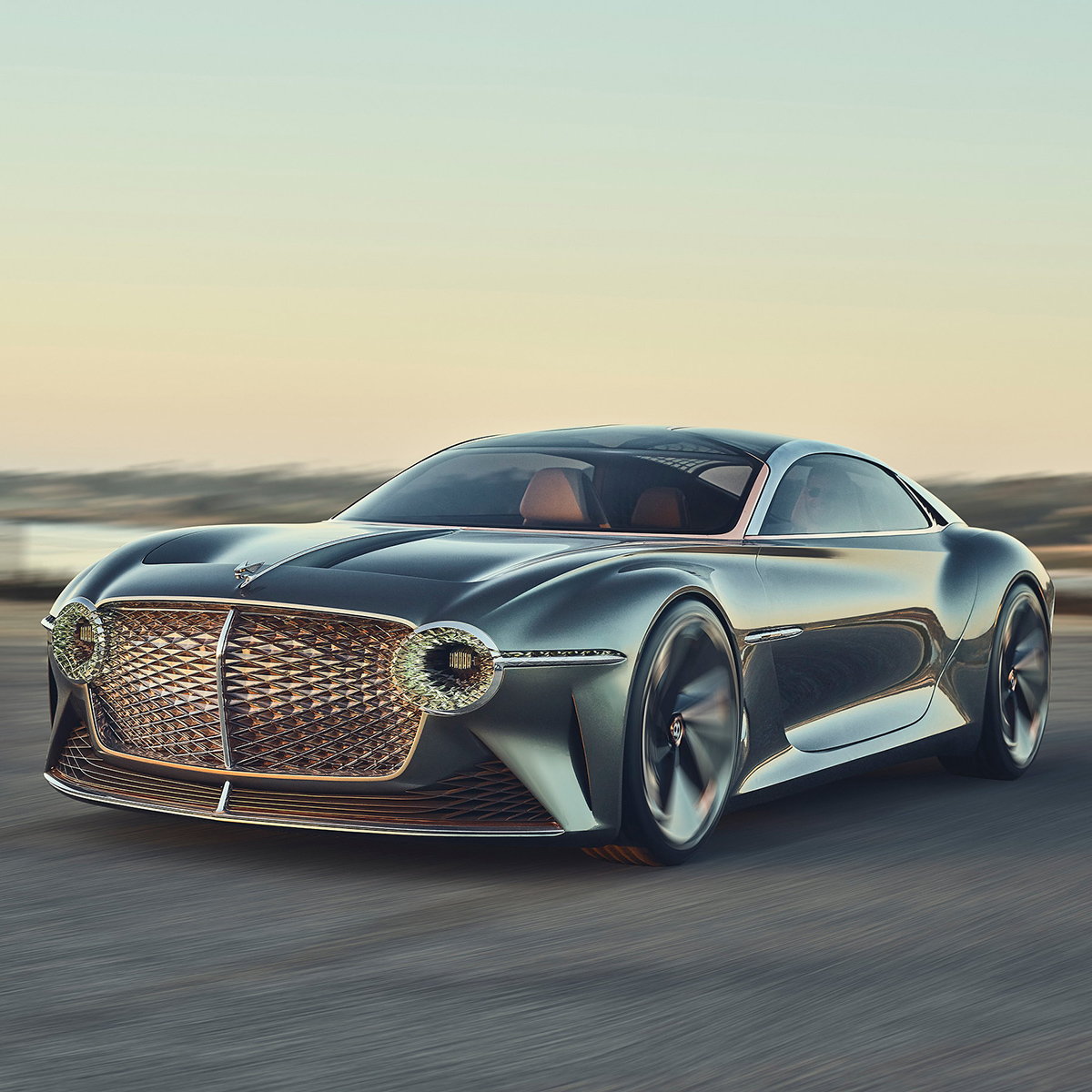
Elegance never goes out of style. It just waits for everything else to catch up. And mostly, it never does.
Written by a designer who believes money can build a car, but only class can build a Bentley, and every EV on the road could stand to take notes.


Leave a Reply