
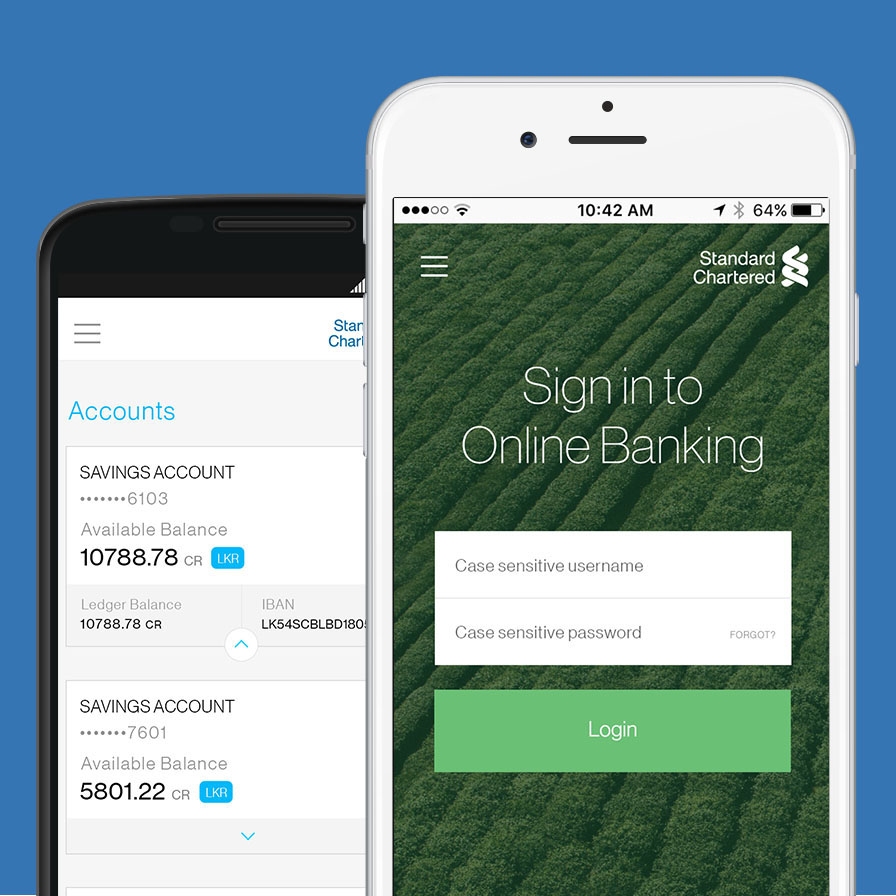
Global Digital Transformation of Online Banking Across 24 Markets
Discipline
End-to-end UX UI Design, User Research, Journey Mapping, Systems Design, Visual Language Guidelines, Cross-functional Collaboration, Design Governance
About the Client
Standard Chartered is a leading international bank with operations across Asia, Africa, and the Middle East. With a customer base spanning millions across 24 countries, the bank set out to transform its digital banking platform to meet the evolving needs of modern, mobile-first customers.

Project Overview
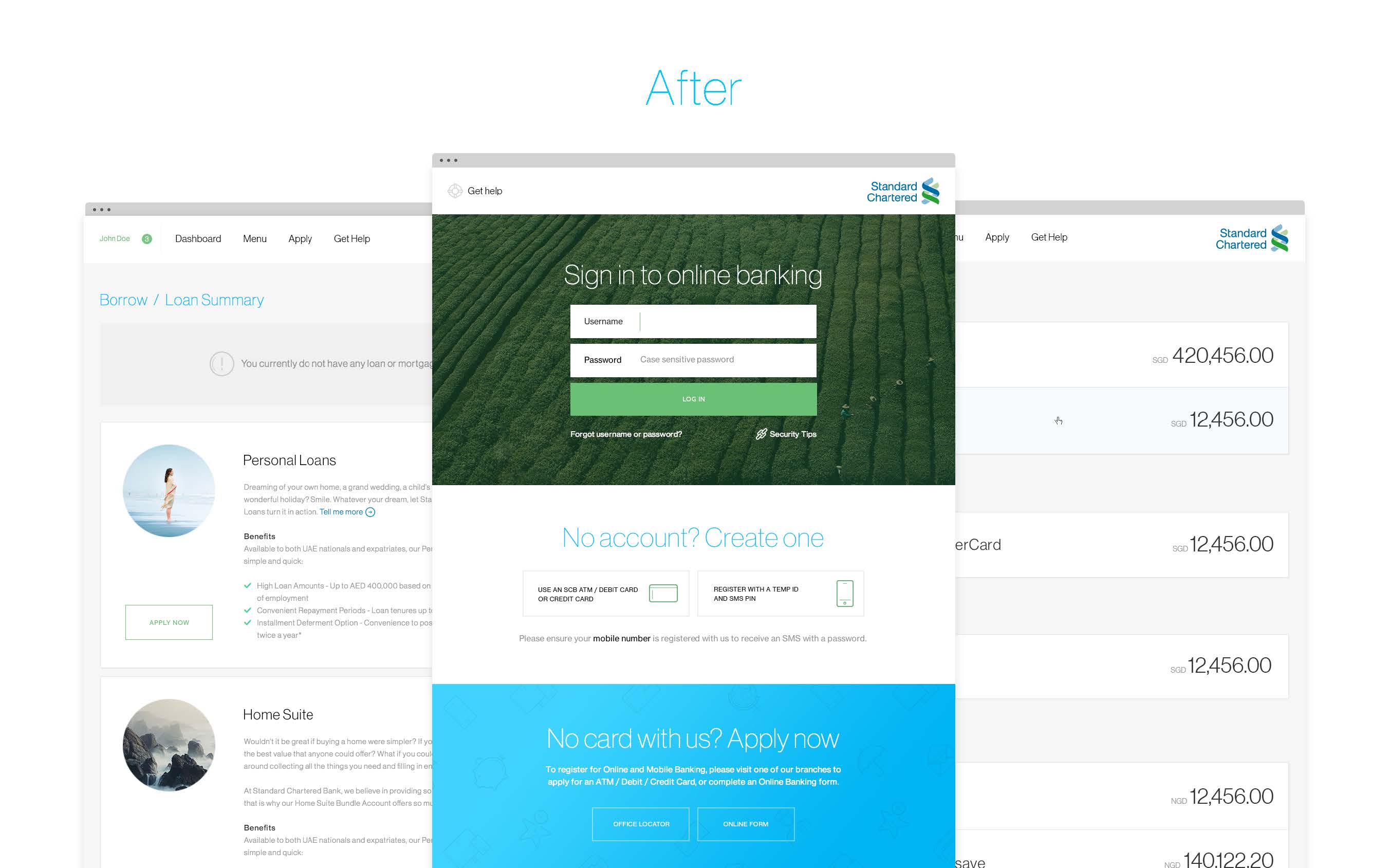
The project was a large-scale digital transformation of Standard Chartered’s Online Banking and Mobile Banking platforms, to modernise its online banking experience across 24 countries.
The goal was to create a unified, intuitive, and future-ready experience across multiple devices and markets, drive digital adoption and support scalable growth across diverse markets, while making everyday banking simpler, faster, and more human for their customers.
The Challenge
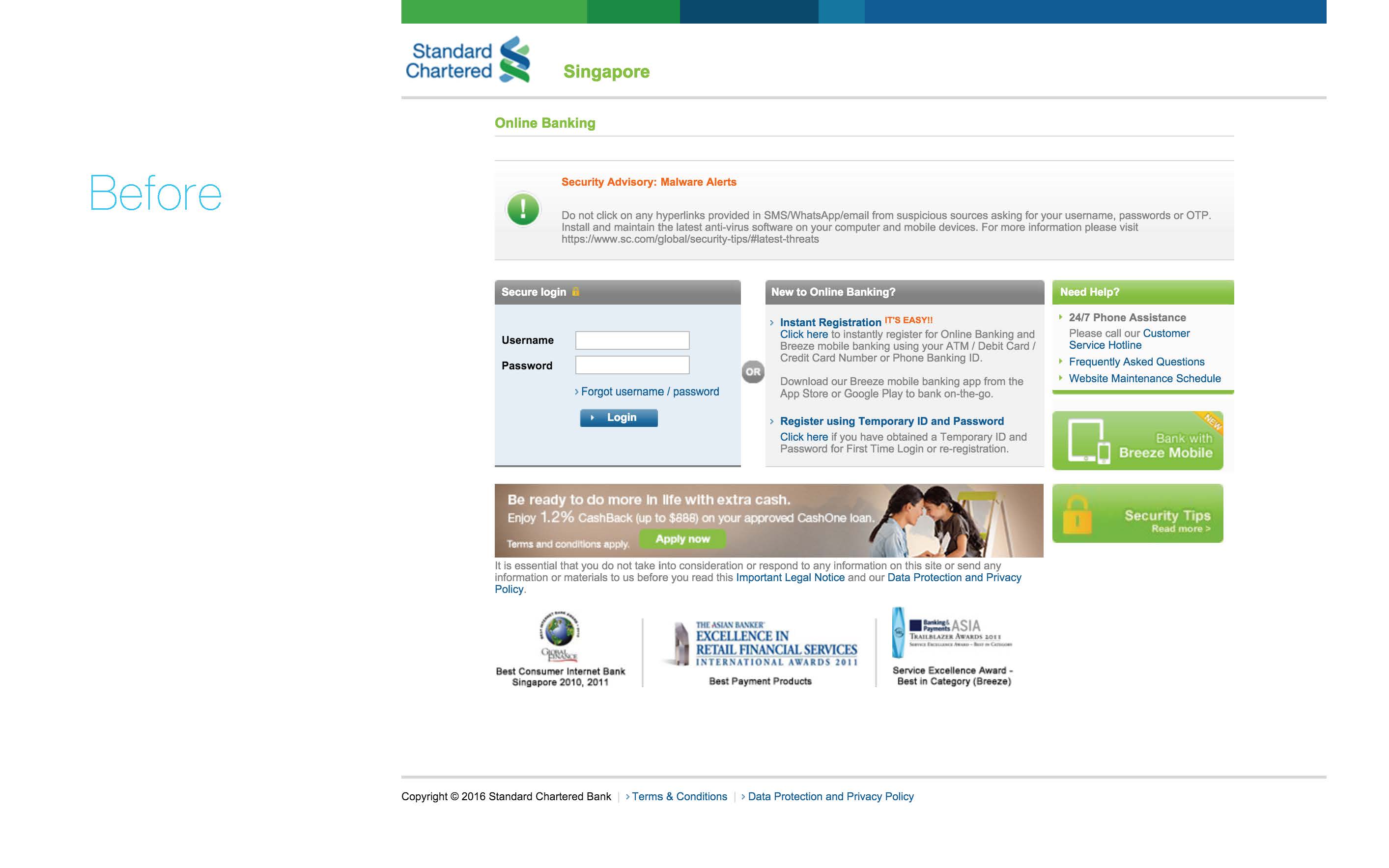
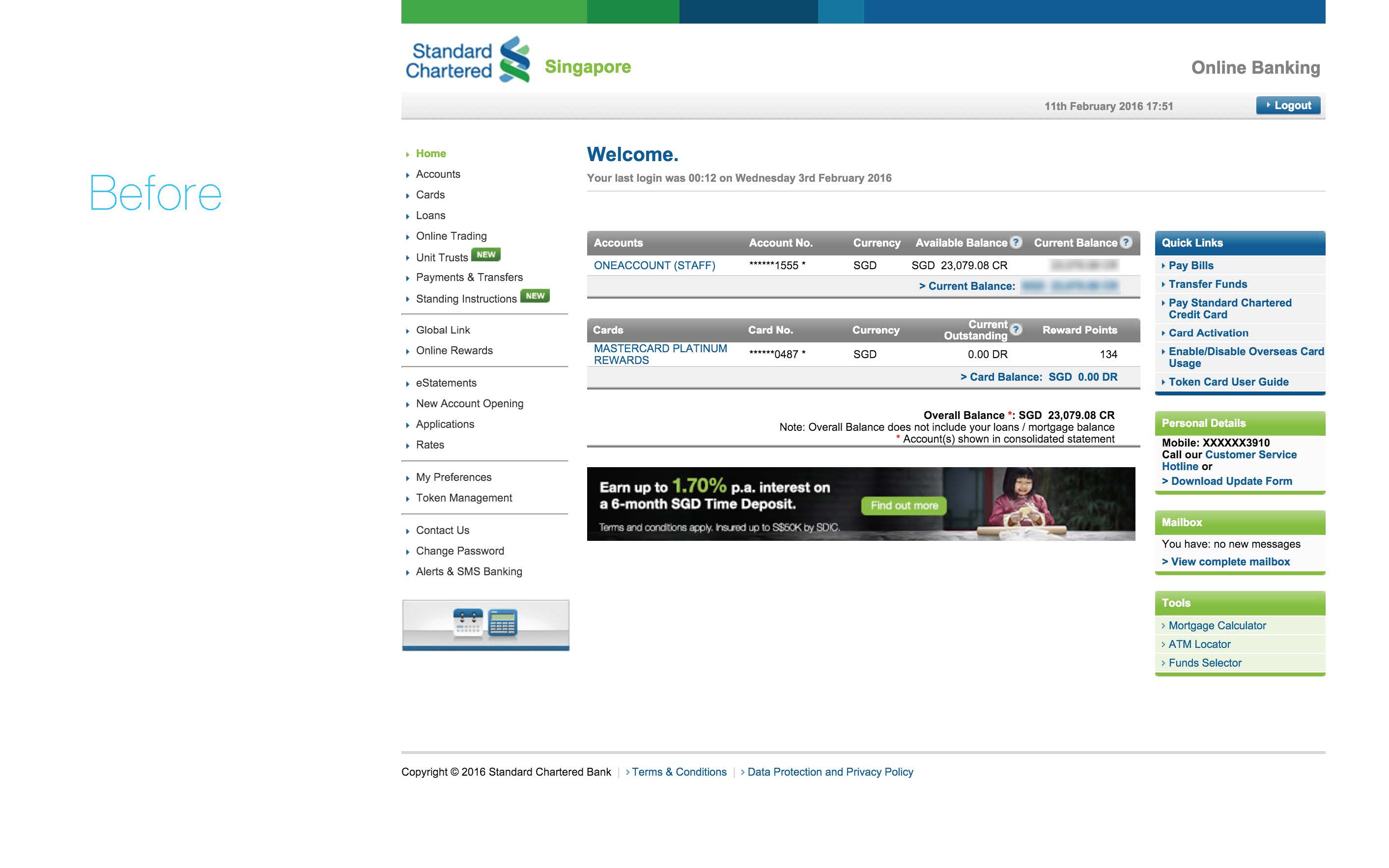
The bank’s legacy systems created fragmented experiences across markets. Interfaces were inconsistent, logins were cumbersome, and design patterns varied from country to country.
Customers increasingly expected a mobile-first, frictionless experience, while the business needed a global design system that could scale efficiently and support digital adoption.
My Scope
As UX designer, I was entrusted with the end-to-end experience design, from foundational strategy to final interface delivery. My role spanned user research, interaction design, and the creation of global design assets that ensured consistency across devices, cultures, and regulatory environments.
- End-to-end UX design for online and mobile banking
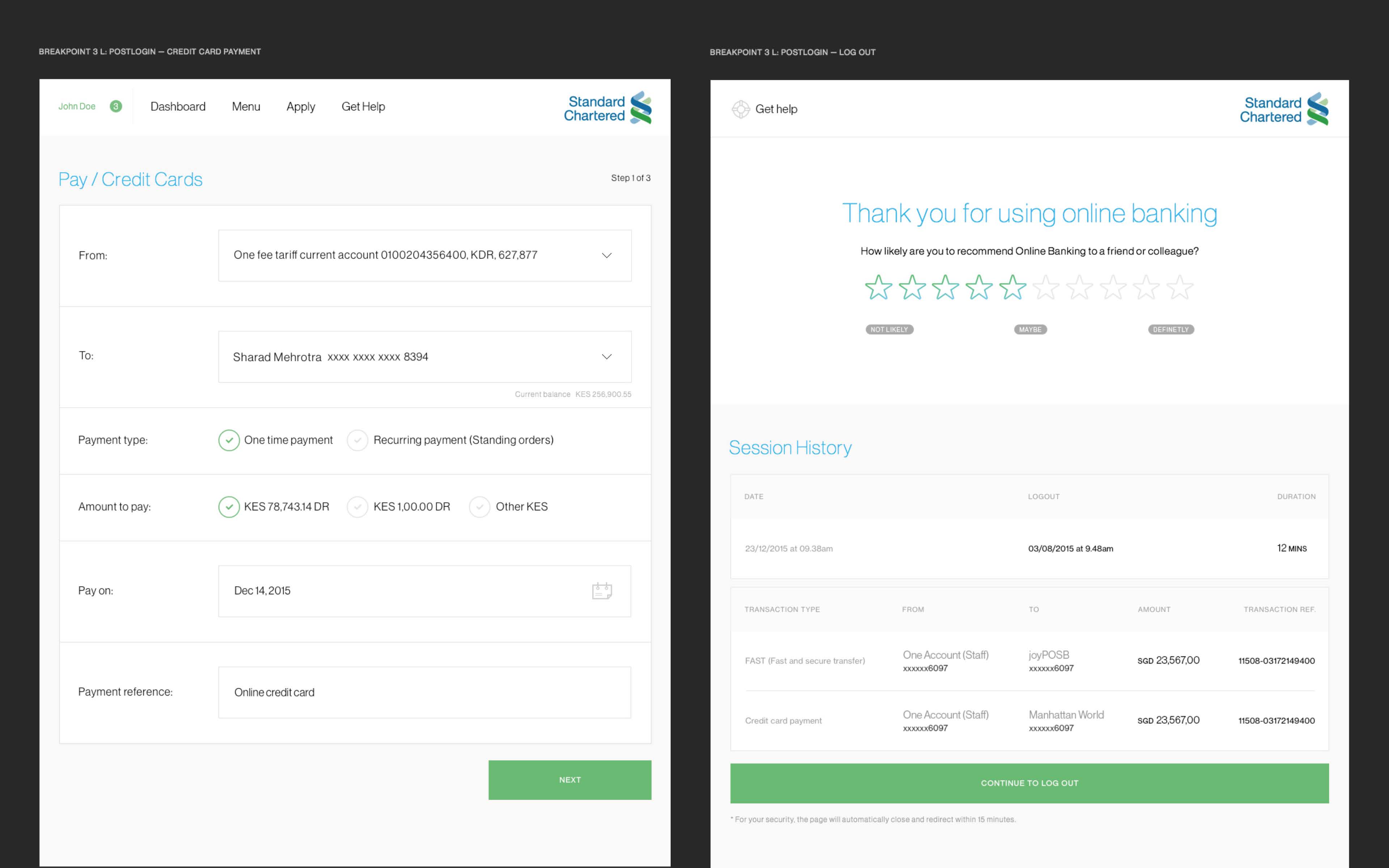
Defined user journeys and interaction flows that balanced security and simplicity across mobile and desktop platforms.
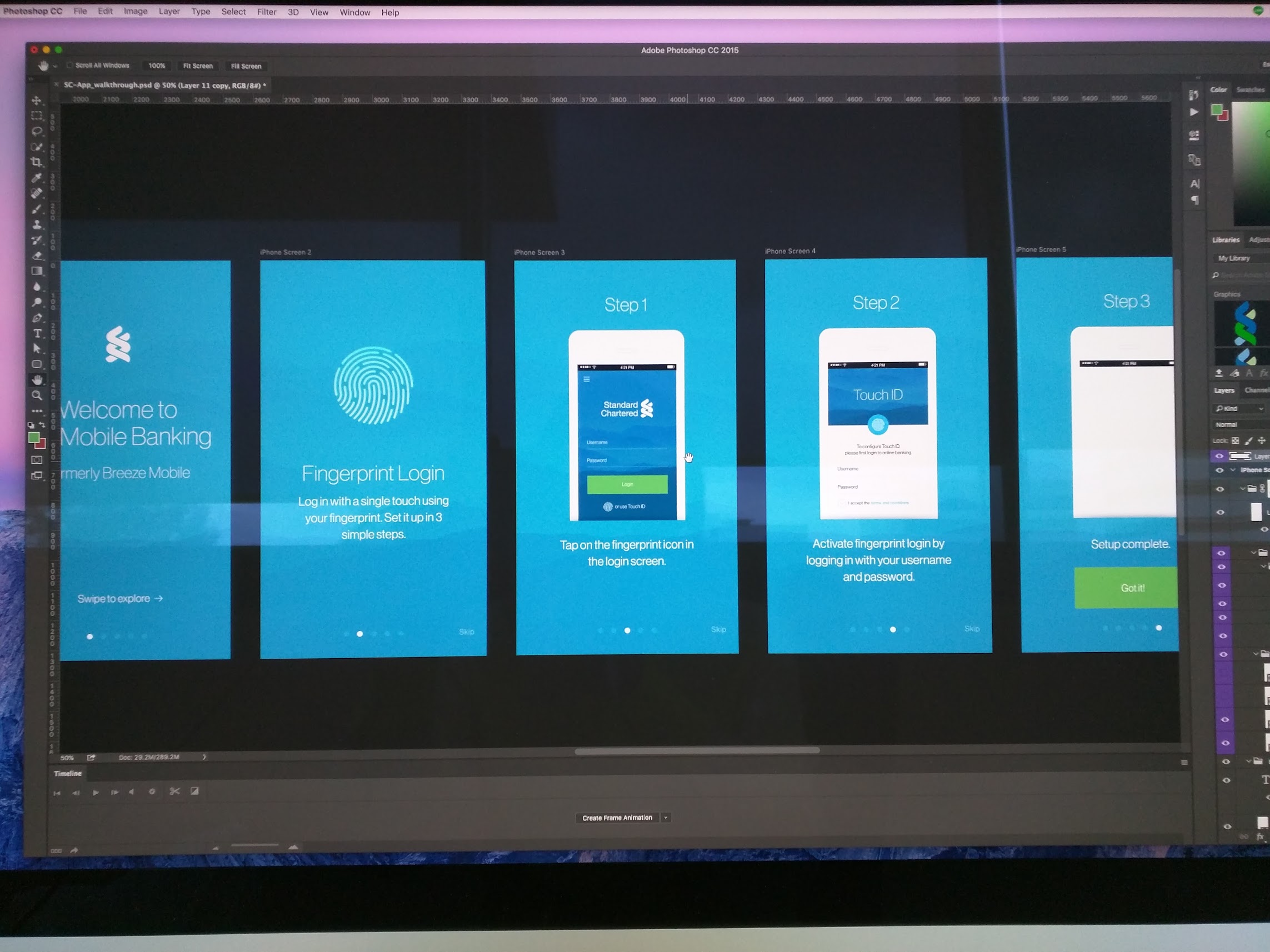
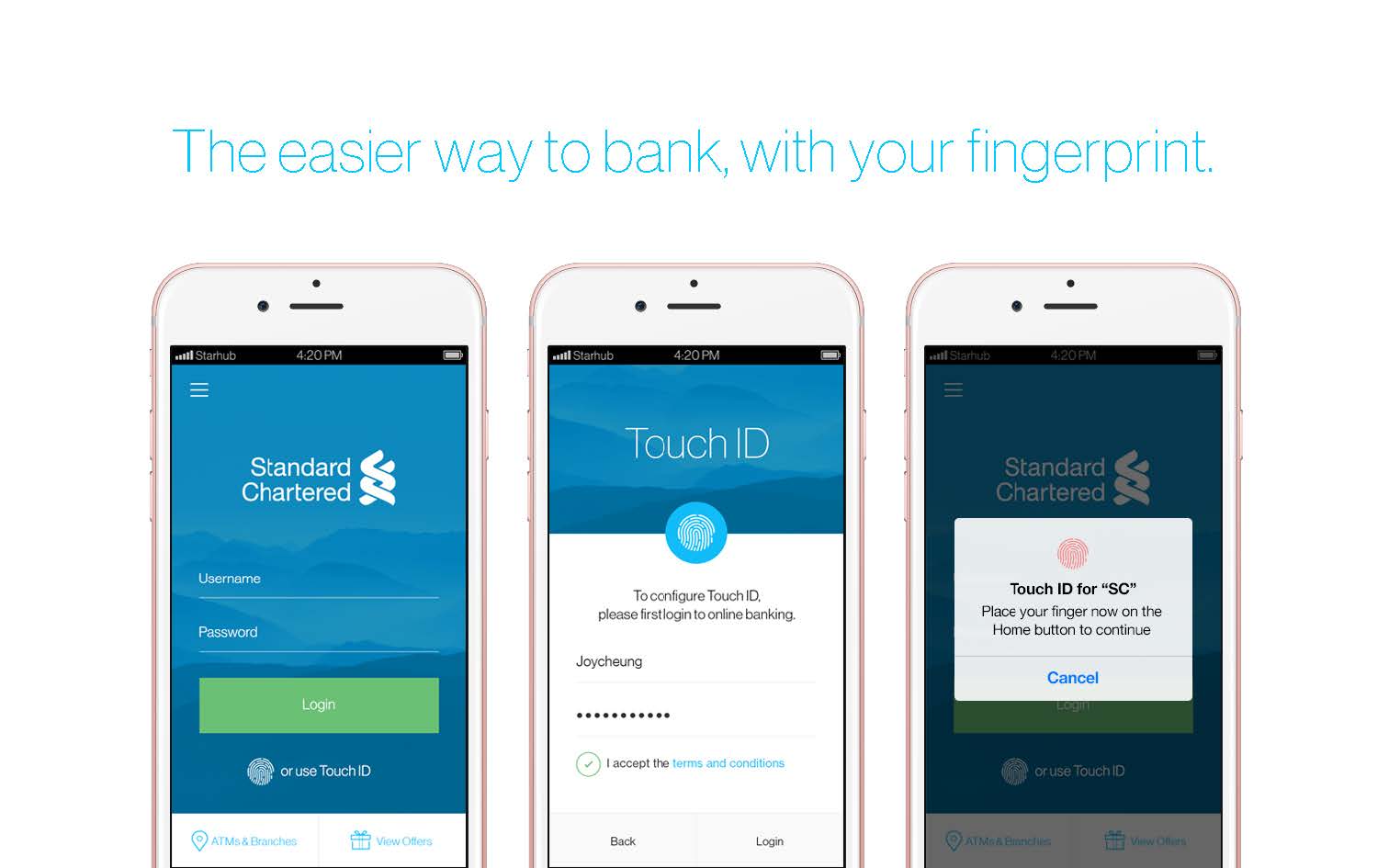
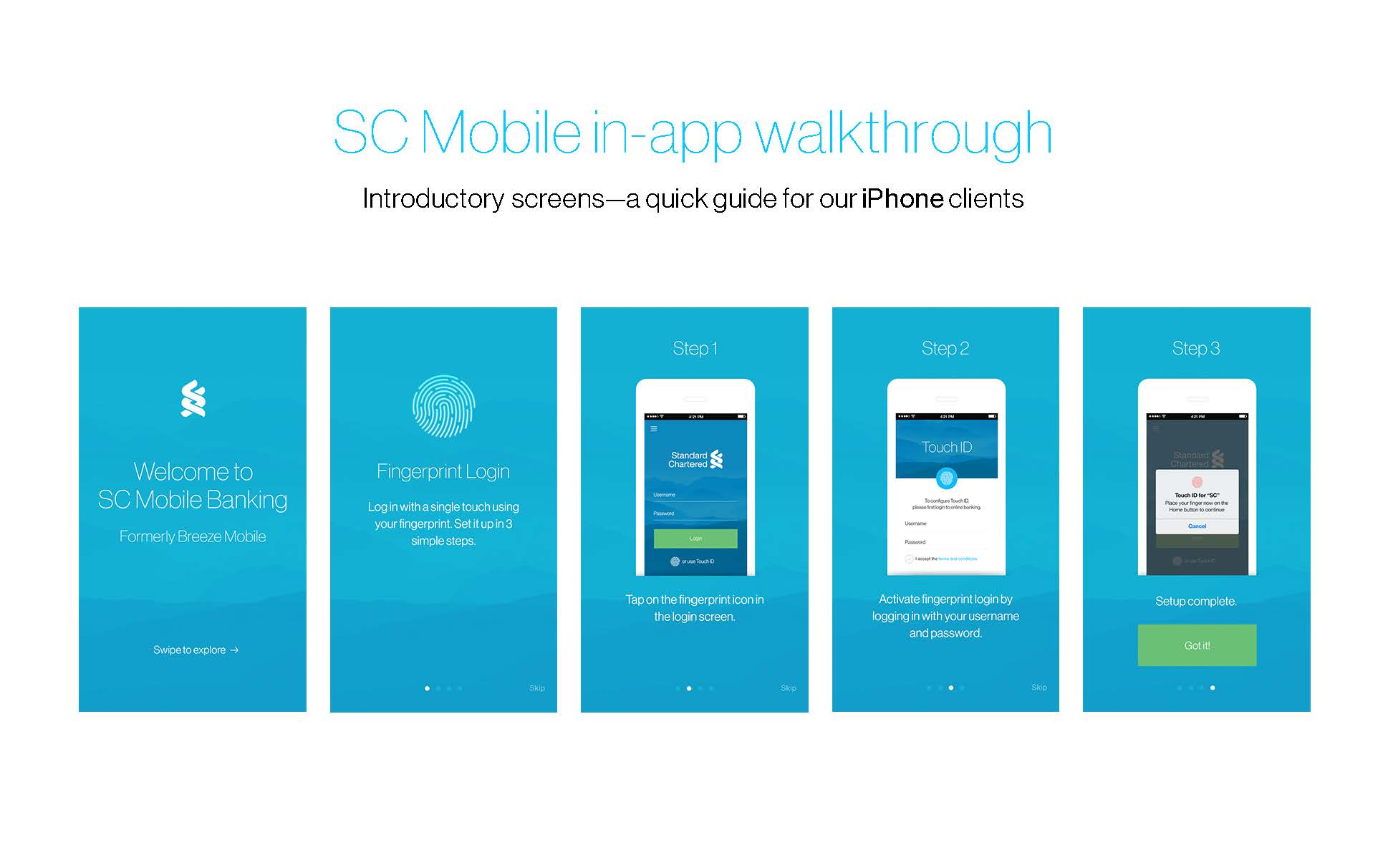
2. Biometric Login Integration
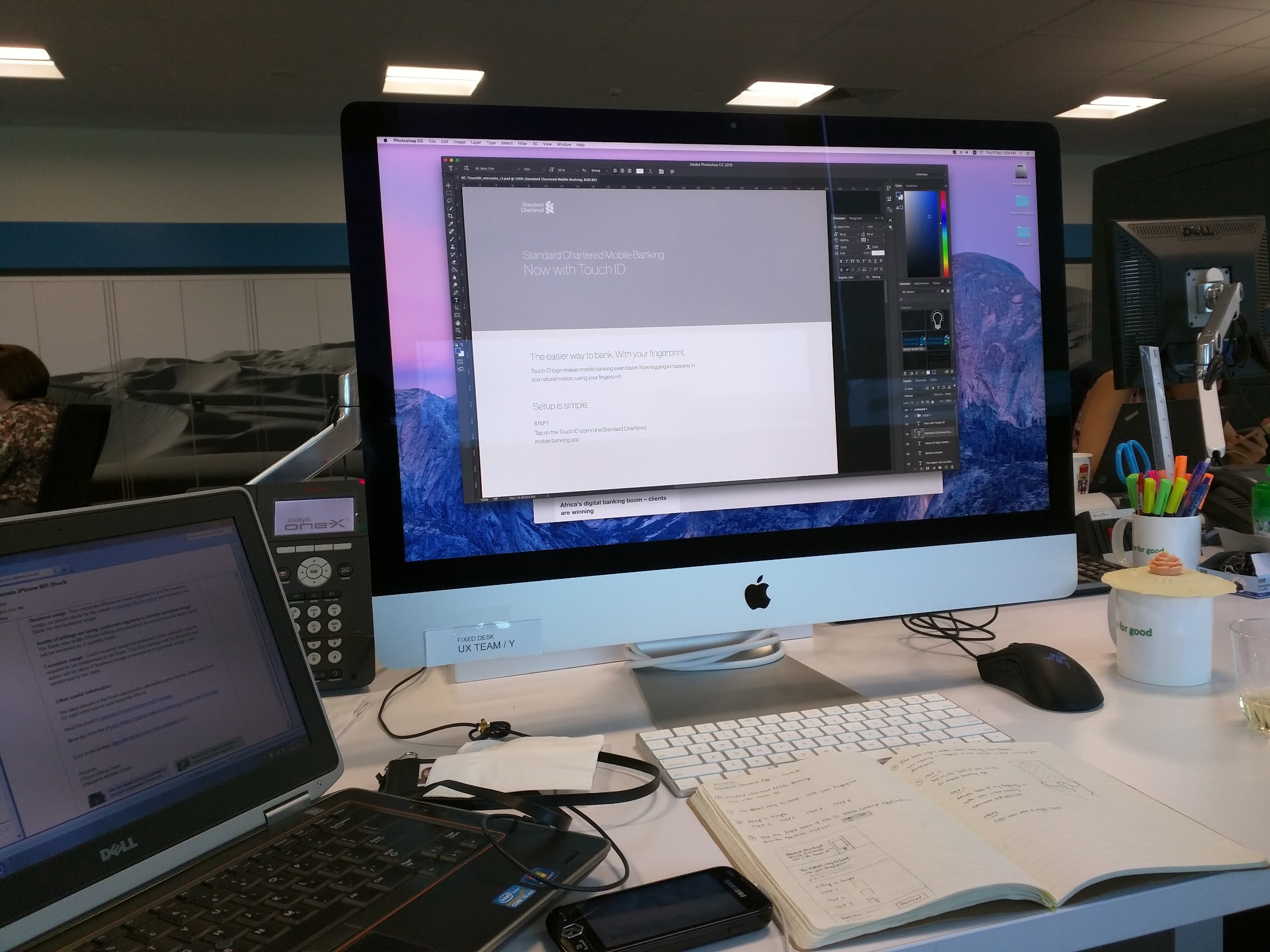
Introduced faster, easier login with fingerprint authentication, reducing login time and increasing repeat usage.
3. Interface Design & Visual System
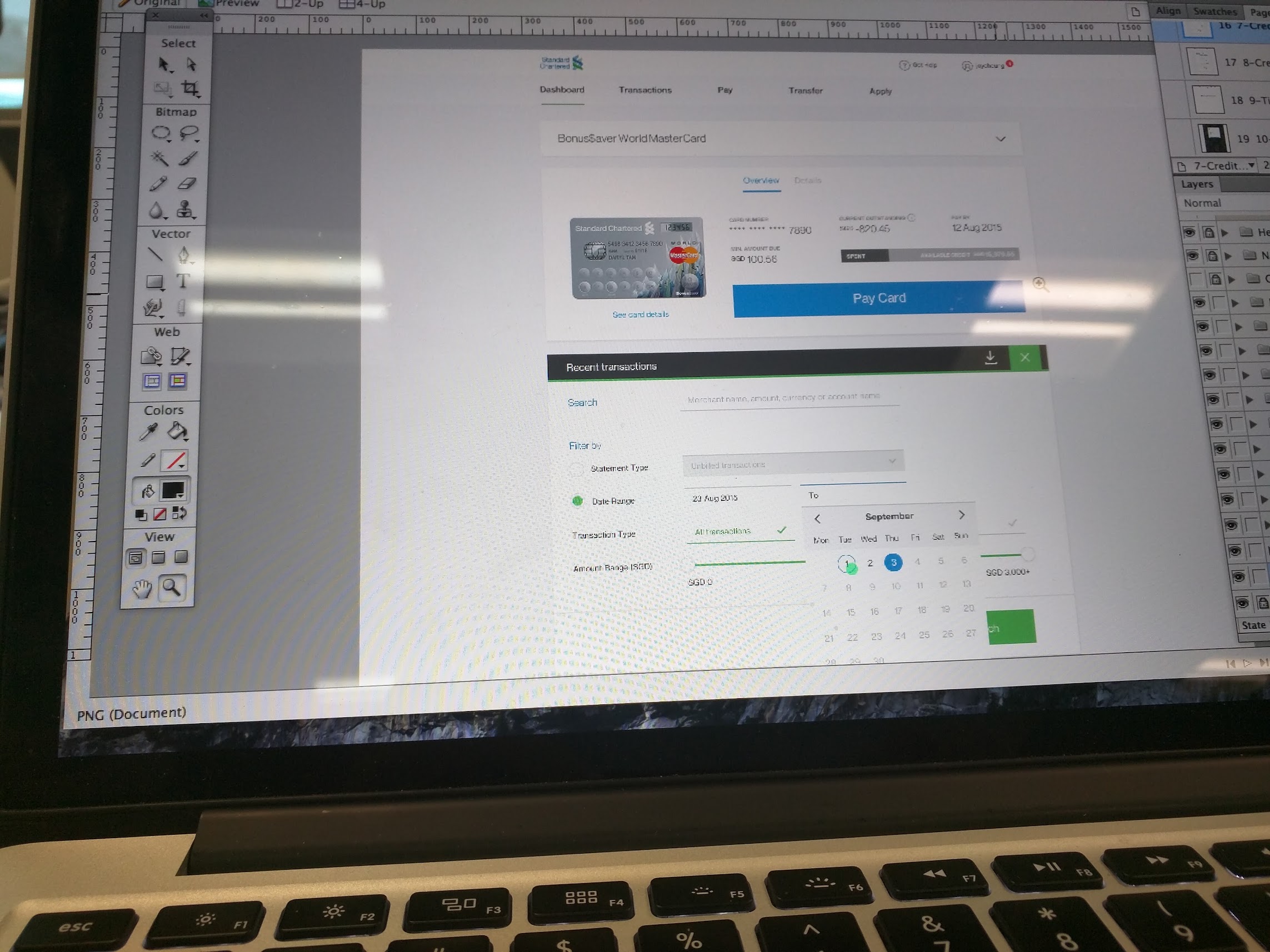
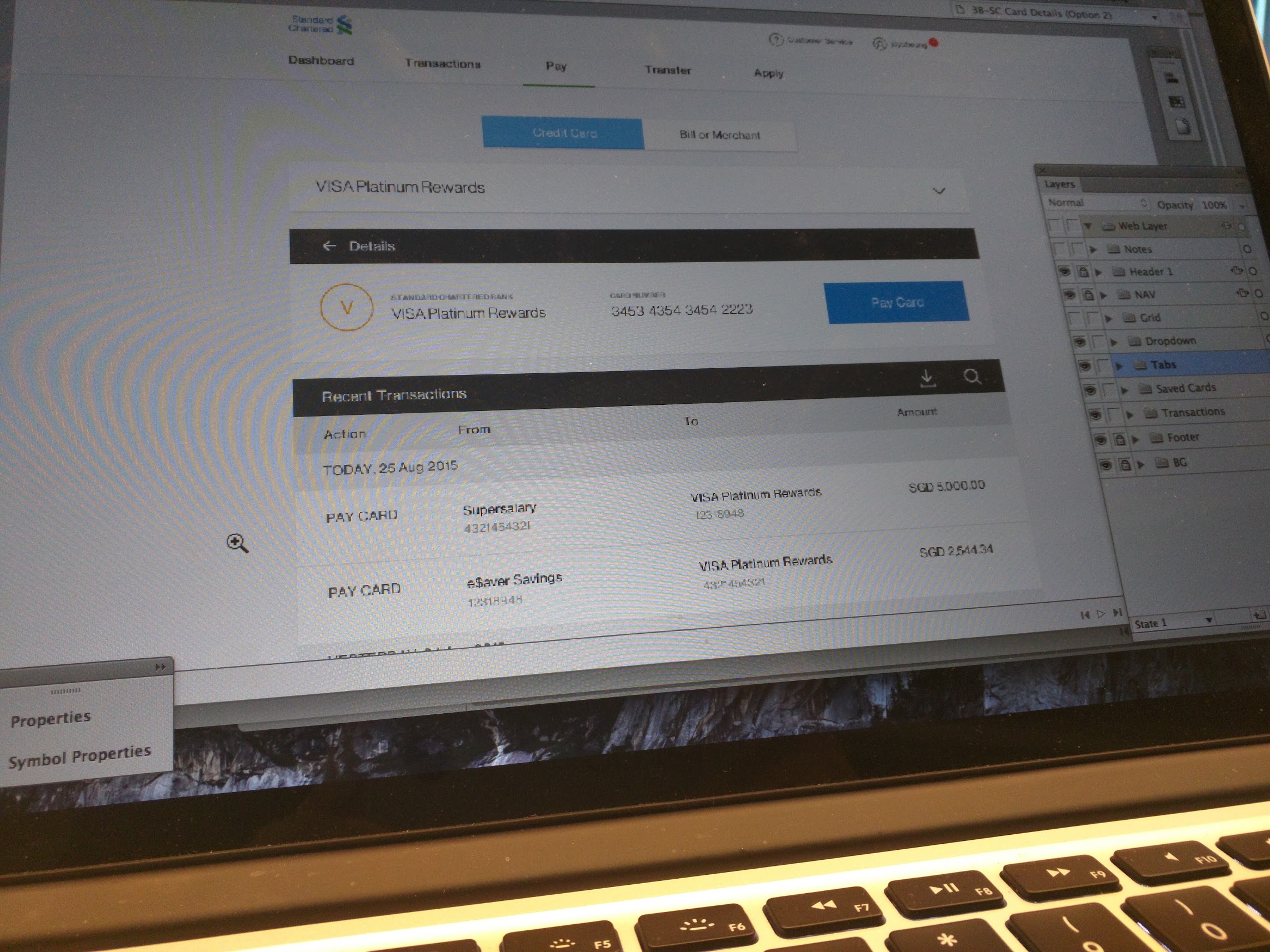
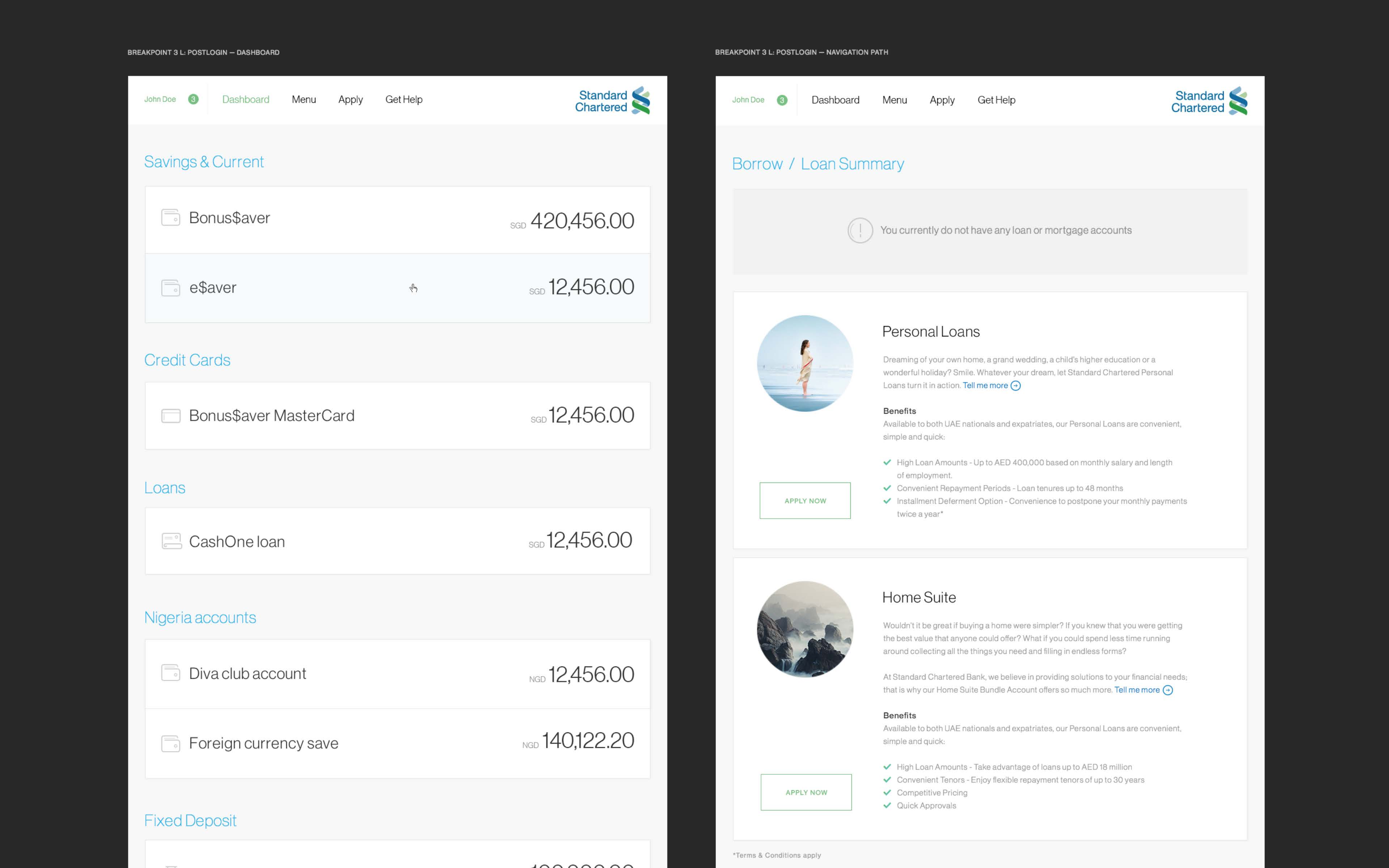
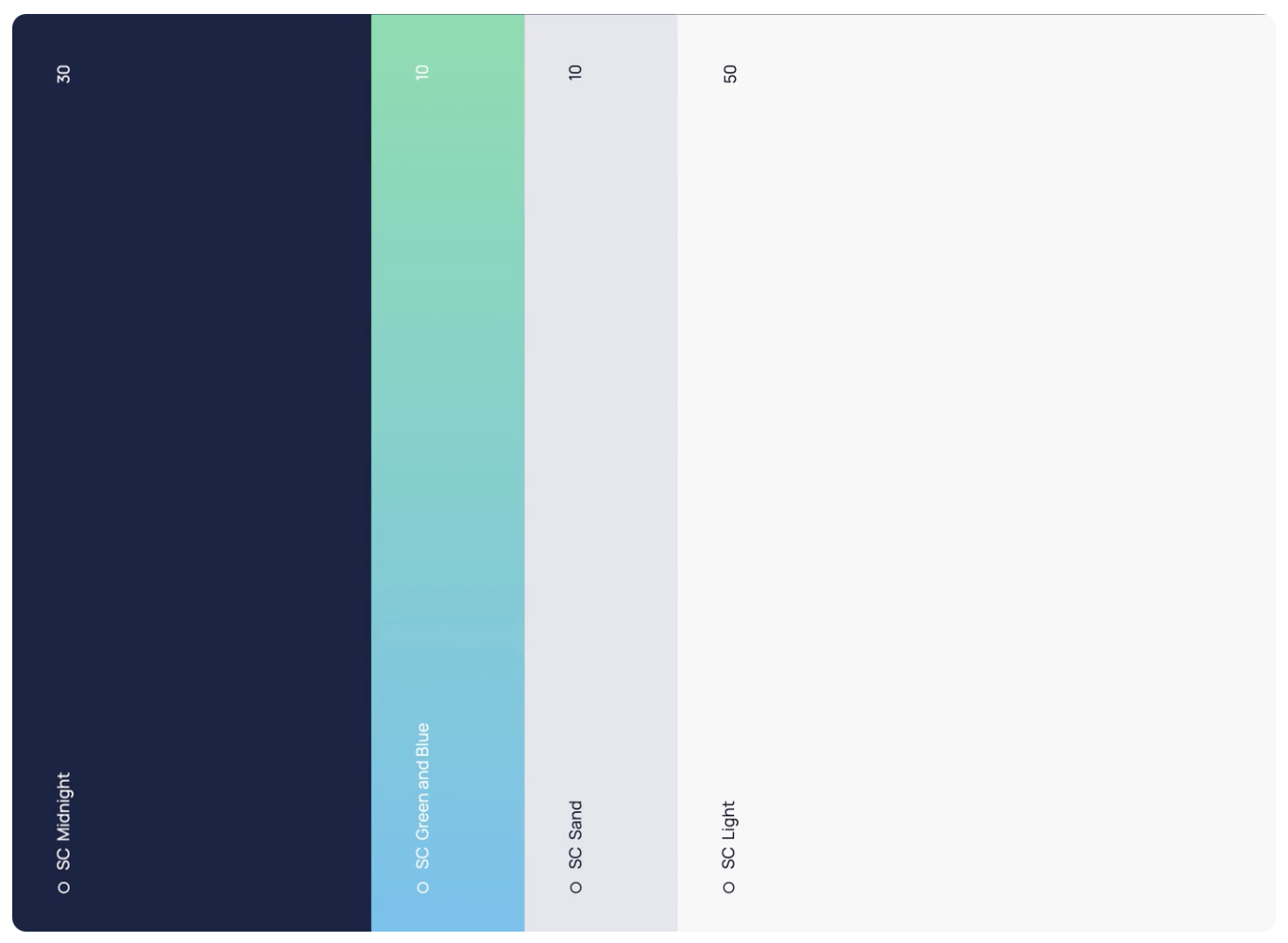
Crafted a clean, modular user interface that prioritised clarity and accessibility, while aligning with the bank’s brand identity.
4. Global Design Assets
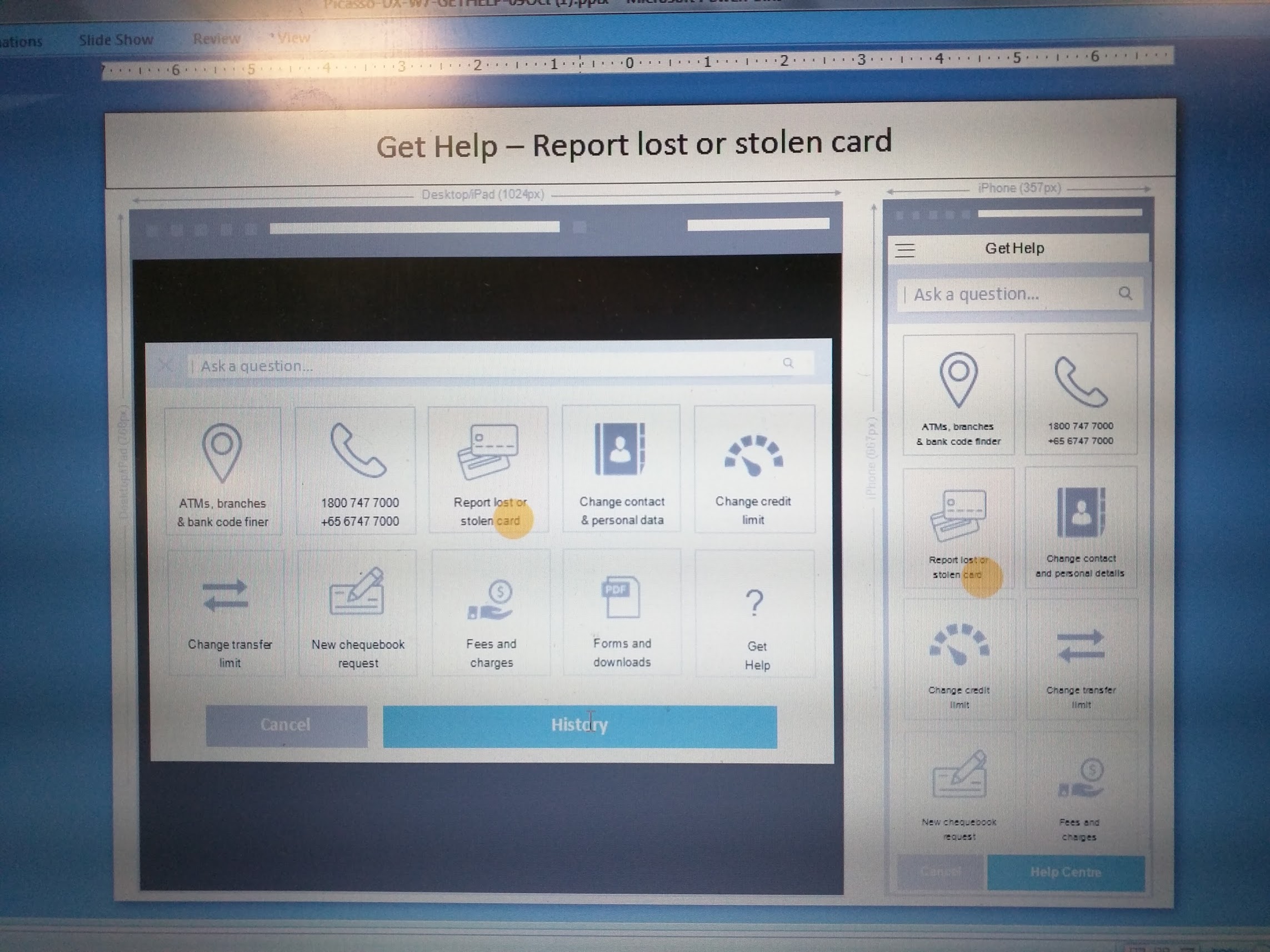
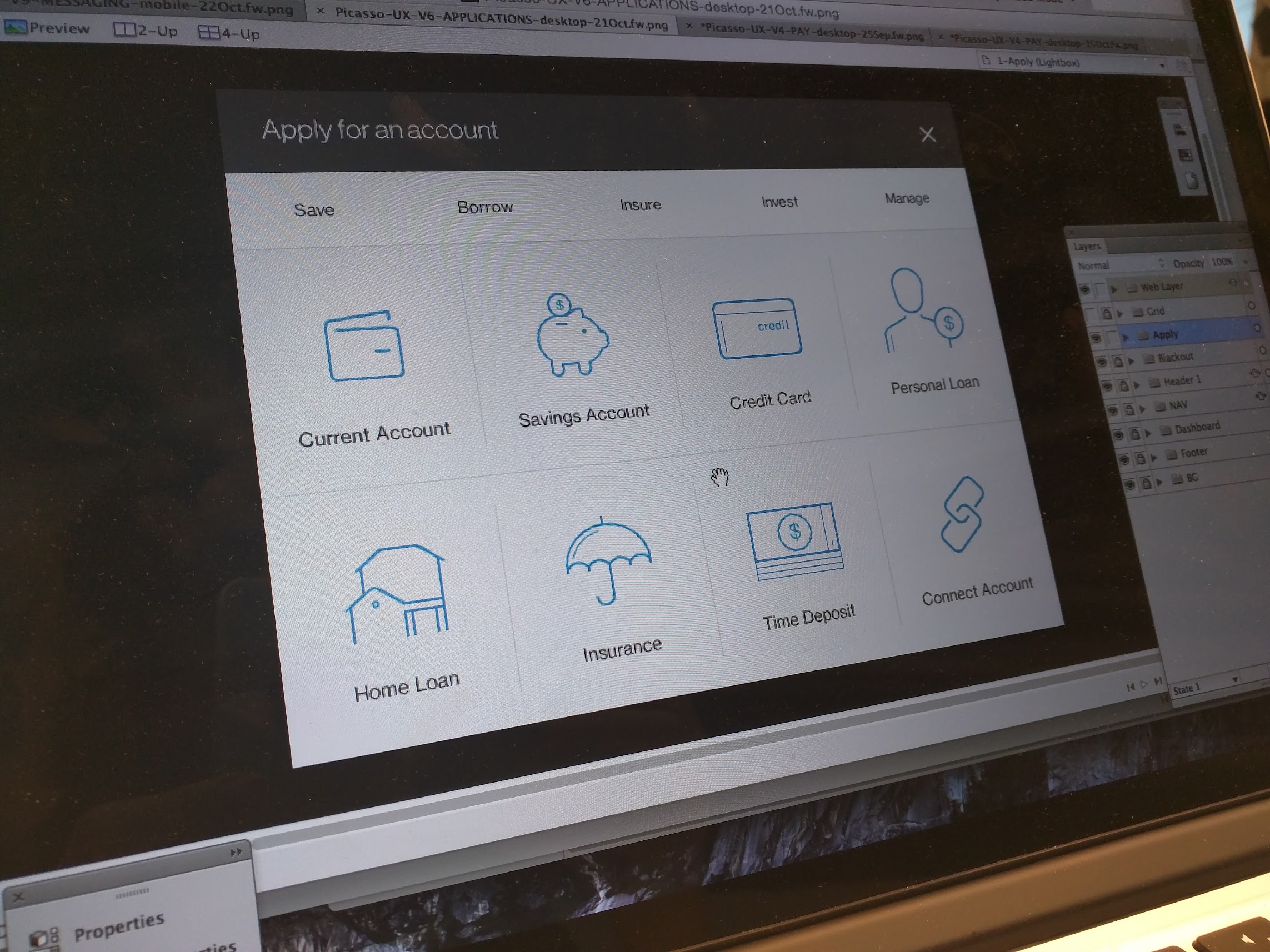
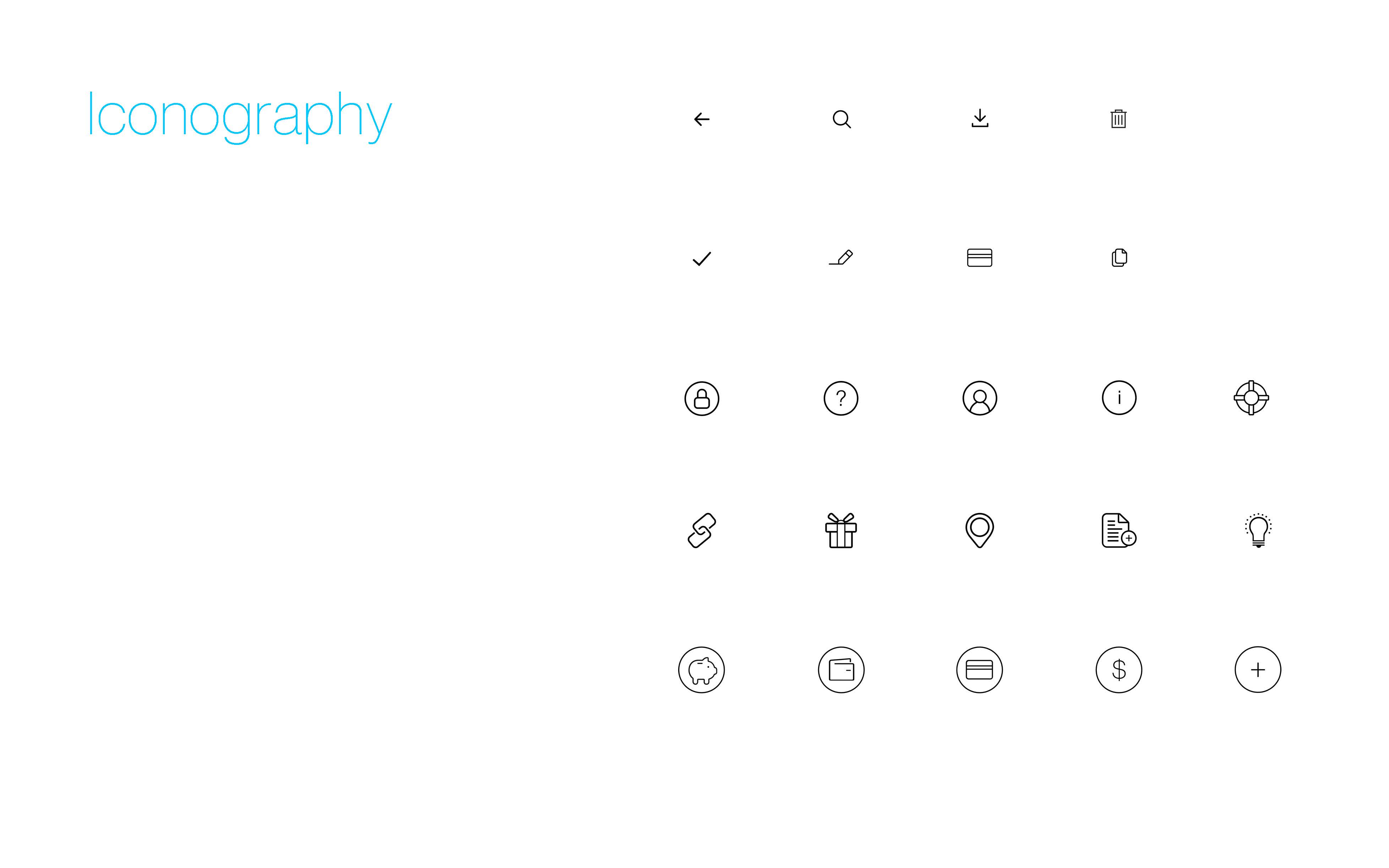
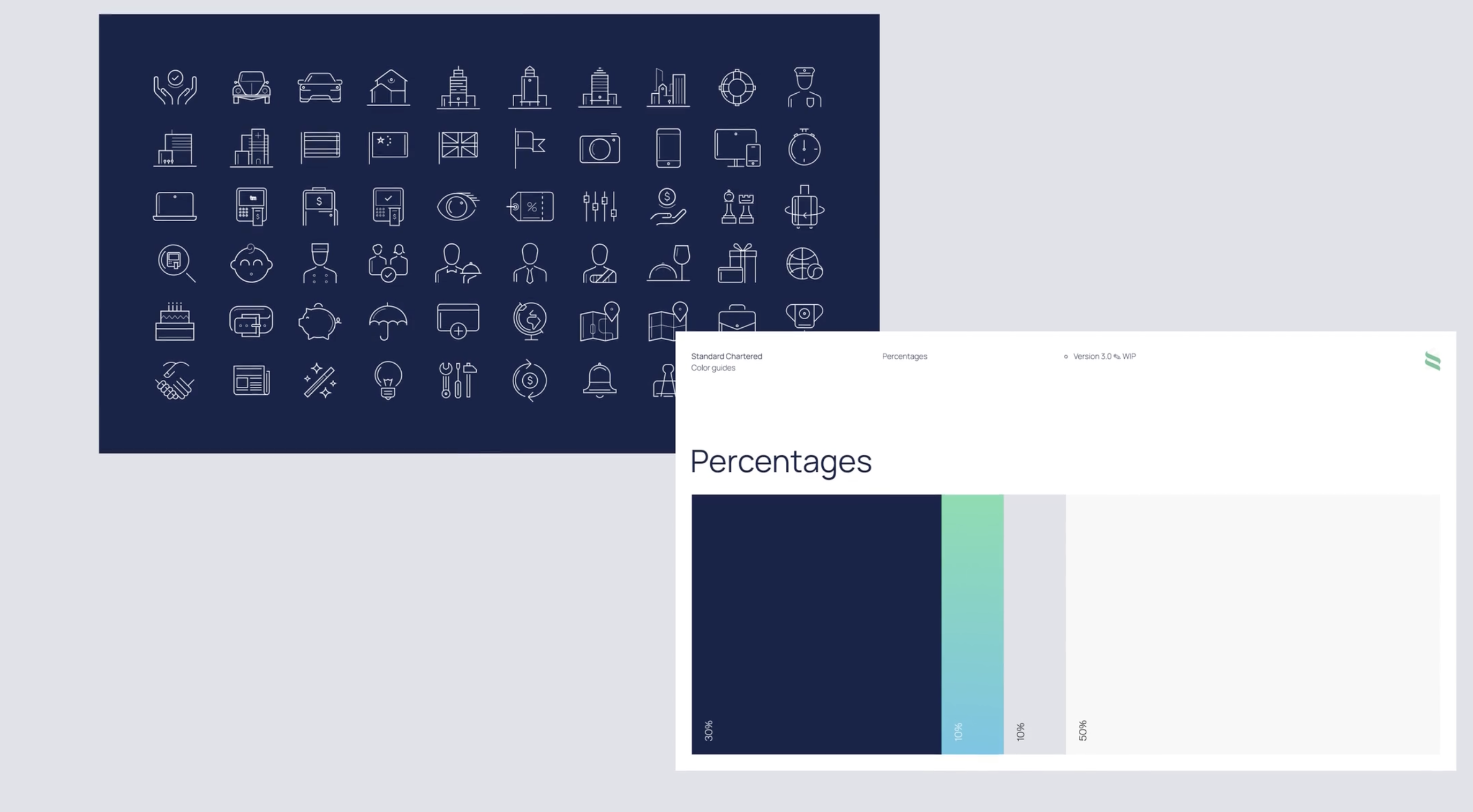
Developed a centralised iconography, design patterns, UI components and modular layout framework to ensure visual and functional consistency across 24 markets, and a much more agile process to launch new products.
5. Cross-Functional Collaboration and Design Governance
Partnered with product managers, engineers, and regional stakeholders to localise experiences without compromising design integrity across 24 markets.

Design Approach
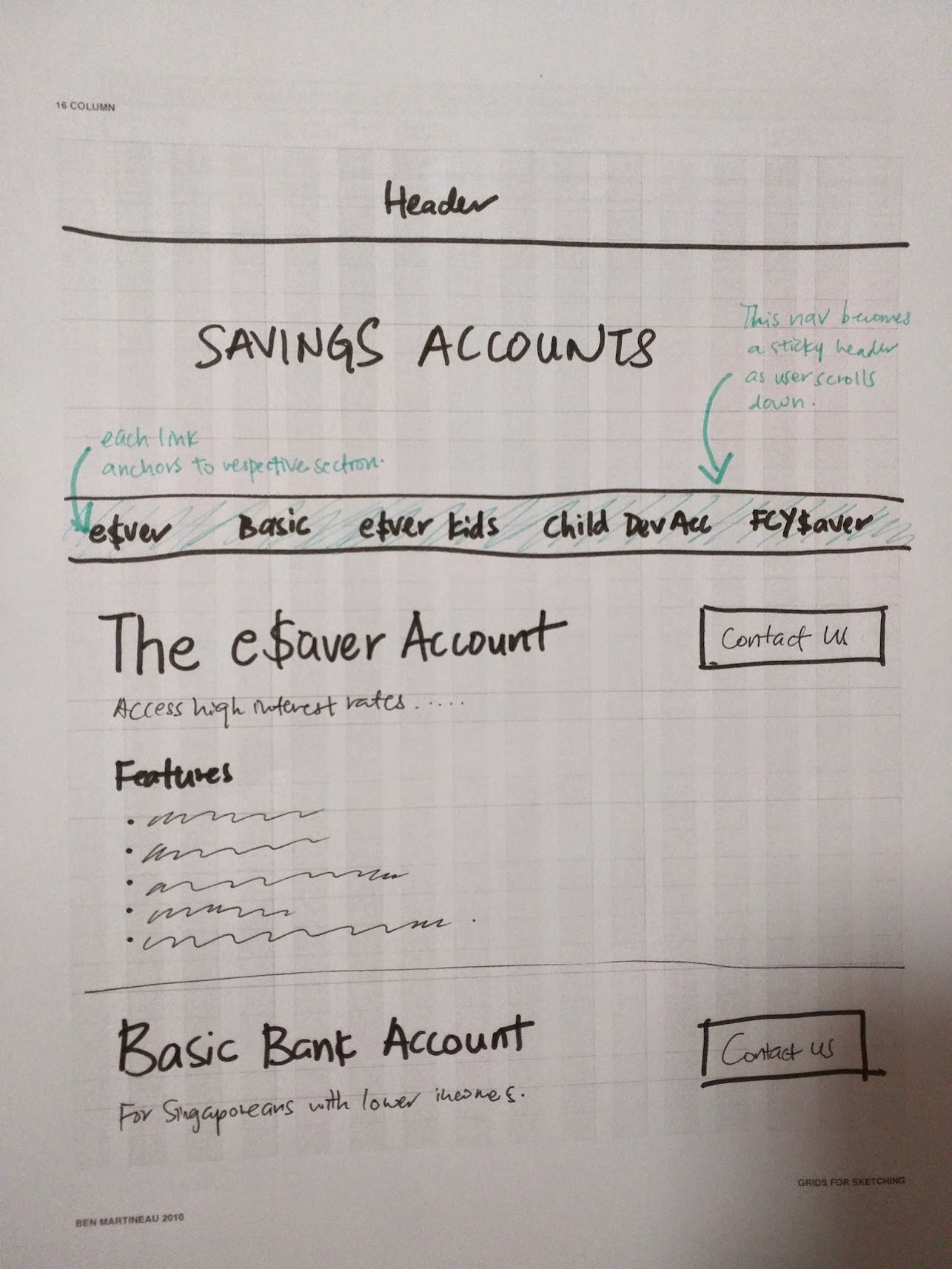
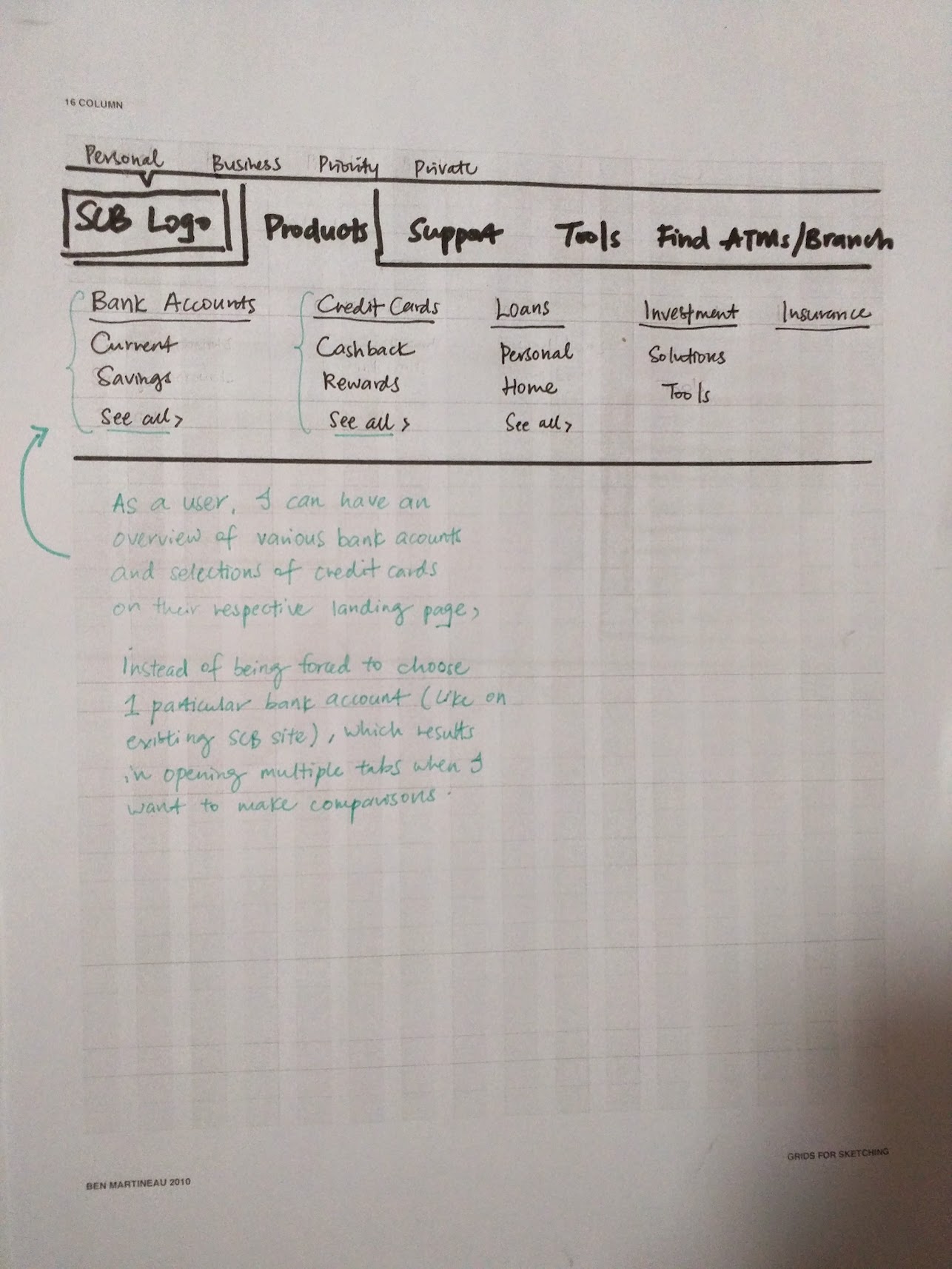
The design approach focused on both usability, clarity and modularity, balancing global consistancy with local nuance.
- Customer-Centric Strategy
I began by mapping user journeys across key markets, identifying pain points and emotional triggers. The goal was to reduce friction while building trust, especially in high-stakes interactions like login and fund transfers. - Visual Coherence Across Cultures
Designing for 24 countries meant creating a system that was globally consistent yet locally adaptable.
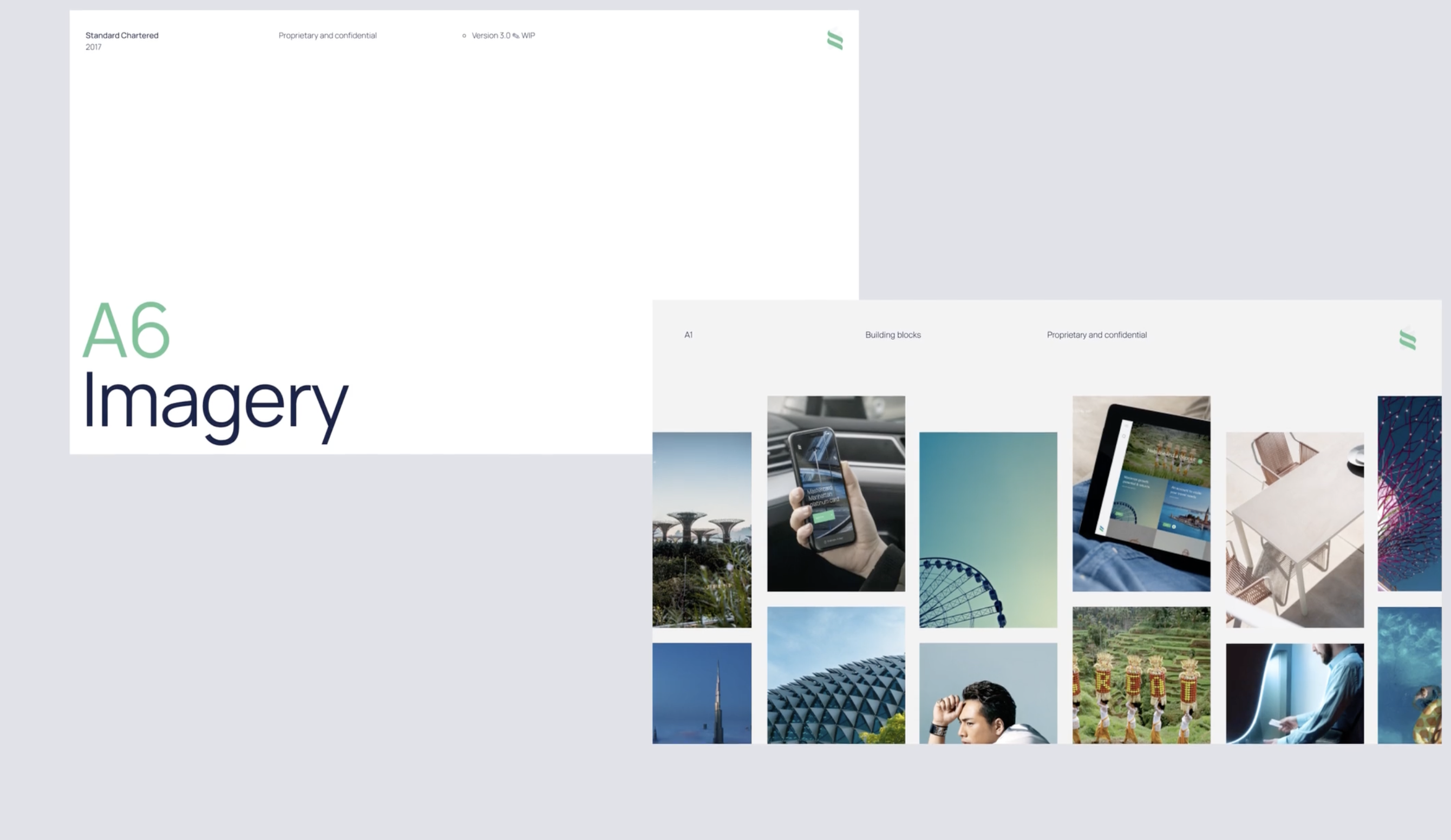
By establishing a unified design language through shared iconography, typography, and a modular design system, we ensured visual coherence across cultures while allowing room for localised content, language, and regulatory nuances.
This balance built trust and familiarity for users worldwide, regardless of market. - Biometric Simplicity
Fingerprint login was designed not just for speed, but to signal a shift toward intuitive, secure access. It became a symbolic gesture of trust, one touch, and you’re in. - Collaborative Localisation
I worked closely with regional teams to adapt flows and content, ensuring cultural relevance while preserving design integrity.
I also worked closely with product and technology teams to ensure the modular system could scale across 24 countries, allowing localisation while maintaining consistency.
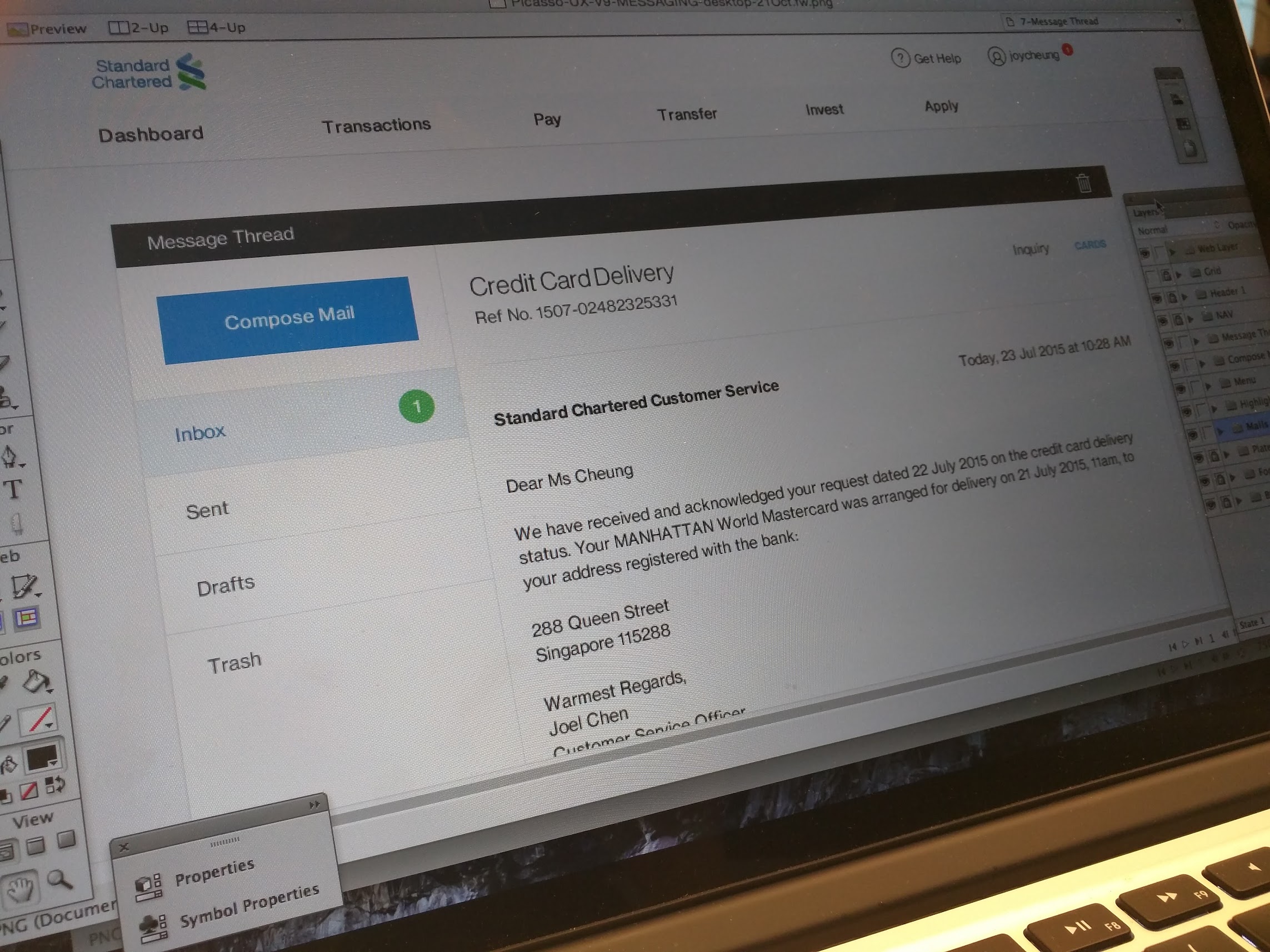
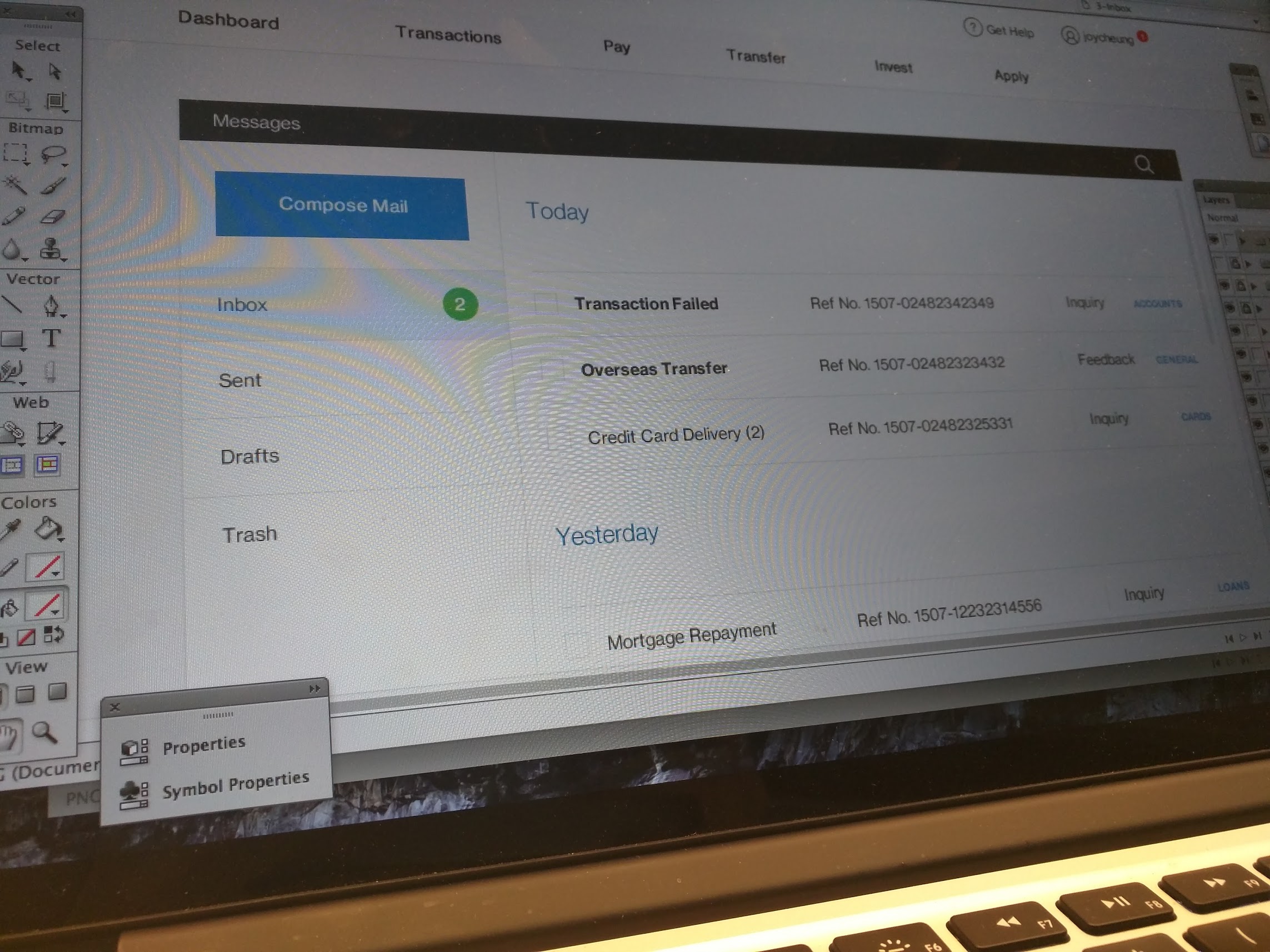
My work in progress…


Deliverables
- Complete UX architecture and UI design across web and mobile
- Biometric login experience (fingerprint authentication)
- Scalable global design system and iconography library
- Modular layout framework for consistency across platforms
- Design documentation and governance guidelines
The Outcome
After only one year, we were able to create, build and launch a consistent digital experience, as well as a progressive ecosystem of digital products and services. All sharing the same centralised modular layout and codebase, no matter the country or the language used.
Business Impact
The digital transformation delivered measurable impact across markets:
- A future-ready design system that continues to power Standard Chartered’s digital platforms globally
- 3x customer growth on digital platforms
- Significant surge in digital adoption across multiple regions
- Improved Net Promoter Score (NPS), reflecting higher satisfaction and ease of use
What I Learned
This project was a masterclass in designing for scale, empathy, and cultural nuance. It challenged me to think beyond aesthetics and to architect systems that could adapt across geographies while remaining intuitively usable.
- Design at scale requires systems thinking.
Creating modular assets and governance frameworks ensured consistency without stifling local flexibility. - Small interactions make a big difference.
Something as simple as biometric login dramatically improved the overall experience. - Cross-market collaboration is key.
Designing for 24 countries required balancing global consistency with local needs. - Impact is amplified by adoption.
A thoughtful design system not only improved customer experience but also accelerated business growth.
This project also deepened my belief that great design is not just about pixels, it’s about building trust, brand loyalty, clarity, and the quiet confidence users feel when things just work.
 Gentle Lion
Leave a comment